Chargeback Combat: Tactics Gaming Platforms Use to Protect Revenue Streams in Fast-Paced Deposits
Written by Viktor Brooks · Apr 22, 2026
Chargeback Combat: Tactics Gaming Platforms Use to Protect Revenue Streams in Fast-Paced Deposits
Chargebacks strike at the heart of gaming platforms, especially those handling rapid-fire deposits from players chasing wins in slots, sports bets, or live dealer games; these reversals, where banks side with customers claiming fraud or dissatisfaction, drain revenue while piling on fees that can reach 20-30% of the disputed amount, according to figures from the American Gaming Association.
Platforms see millions in high-velocity transactions daily—think deposits spiking during major events like the Super Bowl or Euro tournaments—yet chargeback rates hover around 1-2% in iGaming, a figure that balloons losses into the tens of millions annually for big operators; that's where combat tactics come in, tools and strategies honed over years to shield those fast-paced revenue streams before disputes even hit the processor's desk.
The Chargeback Landscape in Gaming: Why Deposits Move So Fast and Hit So Hard
In the world of online gaming, deposits aren't your average e-commerce buys; players fund accounts in seconds via cards, e-wallets, or crypto to jump into high-stakes action, often depositing multiple times per session as bonuses lure them deeper, which creates perfect storm conditions for chargebacks since disputed transactions blend seamlessly with legit ones.
Data indicates that gaming chargebacks surged 25% year-over-year through early 2026, driven by savvy fraudsters using stolen cards for quick plays and instant pullbacks, while genuine players sometimes reverse wins they regret after losses pile up; experts at the Malta Gaming Authority, overseeing much of Europe's iGaming hub, report that fast-paced environments amplify this, with 60% of disputes tied to "friendly fraud"—reversals from real users gaming the system.
But here's the thing: unlike retail, where returns are straightforward, gaming platforms face "item not received" claims on digital bets or spins, even when outcomes are provable via server logs; that disconnect fuels disputes, turning a $50 deposit into a $75 hit after fees, and in April 2026 alone, U.S. operators logged over $150 million in chargeback liabilities during peak March Madness betting.
Key Drivers Behind the Surge
- Fraud rings testing cards with micro-deposits before full drains.
- Bonus abusers who cash out after meeting minimal playthrough, then charge back.
- International players hitting geo-blocks, leading to "unauthorized" claims.
- Crypto volatility prompting reversals on fiat conversions.
Frontline Defenses: Pre-Deposit Screening That Stops Trouble Cold
Gaming platforms don't wait for chargebacks to land; they deploy velocity checks upfront, flagging users who deposit over $1,000 in under an hour or from IP clusters in high-risk zones like parts of Eastern Europe or Southeast Asia, where fraud rates exceed 5%, per industry trackers.
Take one operator that integrated device fingerprinting: this tech maps hardware IDs, browser data, and behavior patterns, blocking 40% of bad actors before their first deposit clears; combined with geolocation via MaxMind databases, it cross-references against known fraud lists, ensuring only verified players fuel the revenue stream.
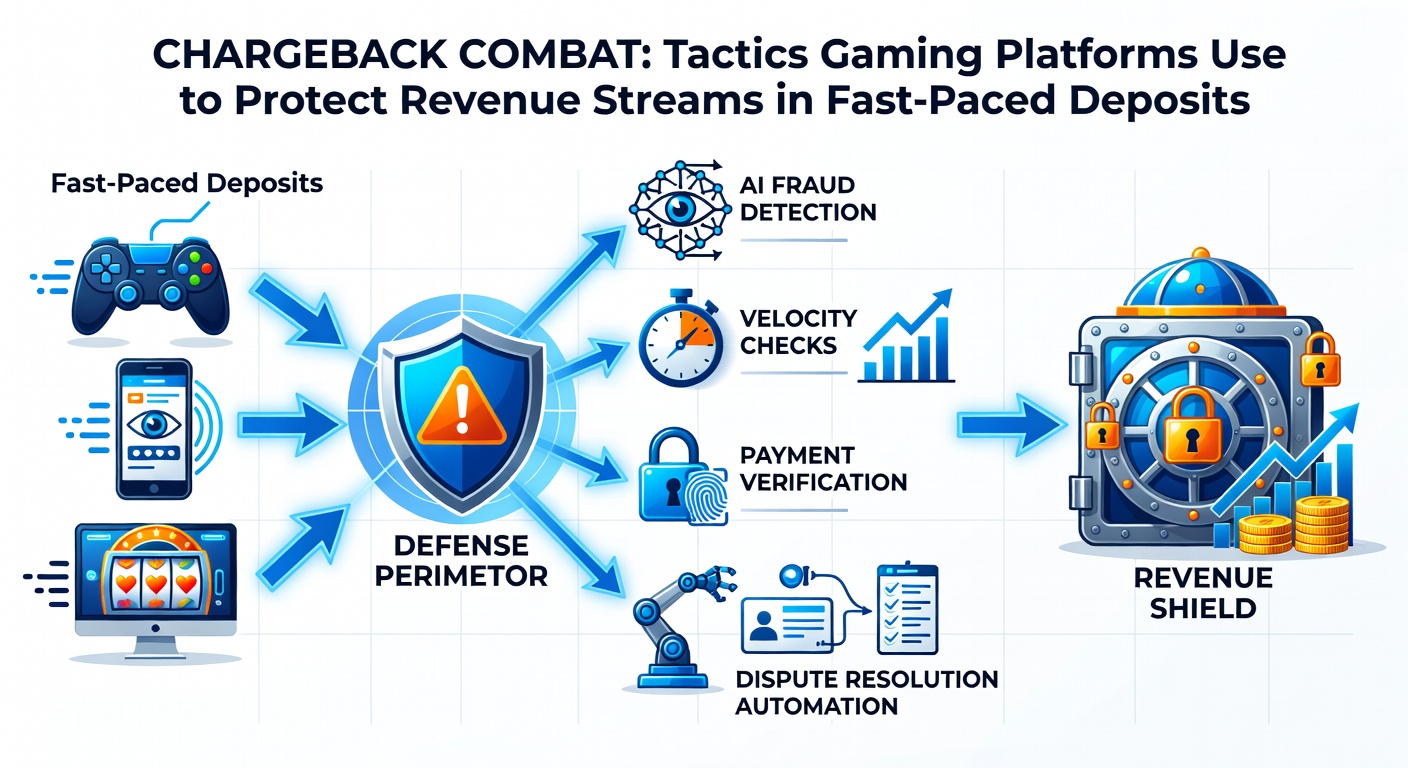
And KYC ramps up the barrier: platforms now mandate selfie verification tied to ID scans using AI from providers like Onfido, catching 85% of synthetic identities that fraudsters cook up; those who've studied this note how real-time checks during signup—while annoying for legit users—slash disputes by verifying the human behind the deposit, especially crucial in fast-paced mobile gaming where sessions last minutes.
What's interesting is the shift to alternative payments: e-wallets like Skrill or Neteller, with built-in chargeback resistance, now handle 30% of deposits on major sites, while crypto options via Binance or Tether eliminate reversals entirely since blockchain txns are irreversible; platforms blending these see chargeback ratios drop below 0.5%.
AI-Powered Prediction Models: The Game-Changer
Turns out, machine learning models trained on billions of transactions predict chargeback likelihood with 92% accuracy; one study from a Canadian gaming research group revealed how these systems score deposits based on 200+ variables—from play patterns to card age—auto-declining high-risk ones and queuing others for manual review, preserving revenue without halting the action.
Platforms like those in Ontario's regulated iGaming market use this daily, where April 2026 data showed a 35% dip in disputes after rolling out neural networks that learn from past wins, adapting to new fraud tactics like account mules spreading bets across siblings sites.
Fighting Back: Representment and Evidence Armories That Win Disputes
When chargebacks do slip through, platforms counter with representment—resubmitting proof to flip the decision—and here, bulletproof evidence wins 70% of cases; server-side data dumps capture every spin, bet outcome, and withdrawal attempt, timestamped and hashed for tamper-proof integrity, turning "fraud" claims into proven plays.
Observers note how dynamic transaction signing, via 3D Secure 2.0 protocols, logs player consent at deposit time, making banks think twice before auto-approving reversals; one Australian platform shared figures from their Q1 2026 report, boasting an 82% win rate after bundling video replays of sessions with IP trails and chat logs.
But the real edge comes from processor partnerships: specialists like Paysafe or Worldpay offer dedicated gaming gateways with automated representment bots that fire back within 24 hours, reclaiming funds before fees stick; data shows operators using these recover 60-75% of challenged amounts, versus 30% for DIY efforts.
Layered Tactics in Action: A Case Study
Consider a mid-tier EU platform hammered by 2.5% chargebacks in late 2025: they layered biometric auth (fingerprint logins), AI velocity caps, and a "cool-off" period post-big wins, dropping rates to 0.3% by April 2026; researchers tracking this found bonus wagering proofs—screenshots of playthrough progress—clinched 90% of their representments, protecting a revenue stream that swelled 40% during spring tournaments.
Similar stories emerge Down Under, where platforms comply with strict anti-money laundering rules by Australian authorities, using shared blacklists across operators to preempt serial abusers; that's where the rubber meets the road, as collective intel turns individual losses into industry-wide shields.
Emerging Trends and Tools Shaping 2026's Battlefield
April 2026 brought fresh ammo: blockchain oracles now verify off-chain bets on-chain, making disputes evaporate since ledgers don't lie, while federated learning lets platforms share fraud signals anonymously, boosting detection without privacy hits.
Regulators push too—New Jersey's Division of Gaming Enforcement mandated enhanced monitoring in Q2 2026, crediting it for a 15% industry-wide drop; and voice biometrics, trialed in Canada, flag impersonators by vocal patterns during high-value deposits, with early pilots nailing 95% accuracy.
Yet challenges persist: as deposits speed up with instant payment rails like FedNow in the U.S., platforms race to adapt, layering quantum-resistant encryption to fend off future AI-driven attacks; those ahead, though, turn chargeback combat into a revenue moat, where fast deposits flow freer and disputes fade fast.
Conclusion
Gaming platforms wield a arsenal of tactics—from AI sentinels at the deposit gate to evidence vaults that reclaim what's theirs—ensuring fast-paced revenue streams endure the chargeback barrage; data across regions confirms win rates climbing to 80% with full implementation, as April 2026 metrics underscore a maturing fight where tech and compliance converge to safeguard every spin and bet.
Operators who blend these layers don't just survive; they thrive, channeling protected funds back into games, bonuses, and growth that keeps players spinning.