Currency Fluctuations Shape Settlement Timelines Across Multi-Region Gaming Networks
Written by Yara Wolf · Aug 1, 2026
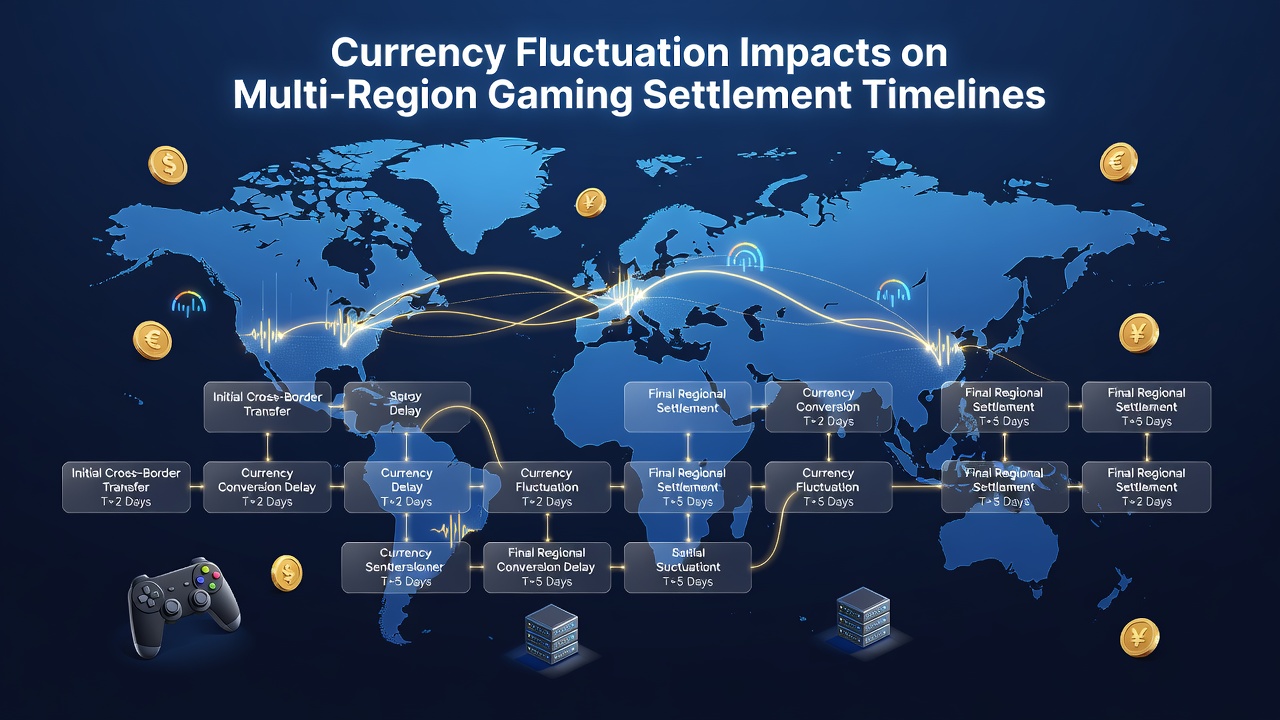
Currency Fluctuations Shape Settlement Timelines Across Multi-Region Gaming Networks
Data from major foreign exchange markets shows that swings in exchange rates directly extend or compress the time required for funds to move between player accounts and operator ledgers in different jurisdictions, and operators track these movements through automated systems that recalculate values at each settlement stage.
Core Mechanisms Behind Delayed or Accelerated Settlements
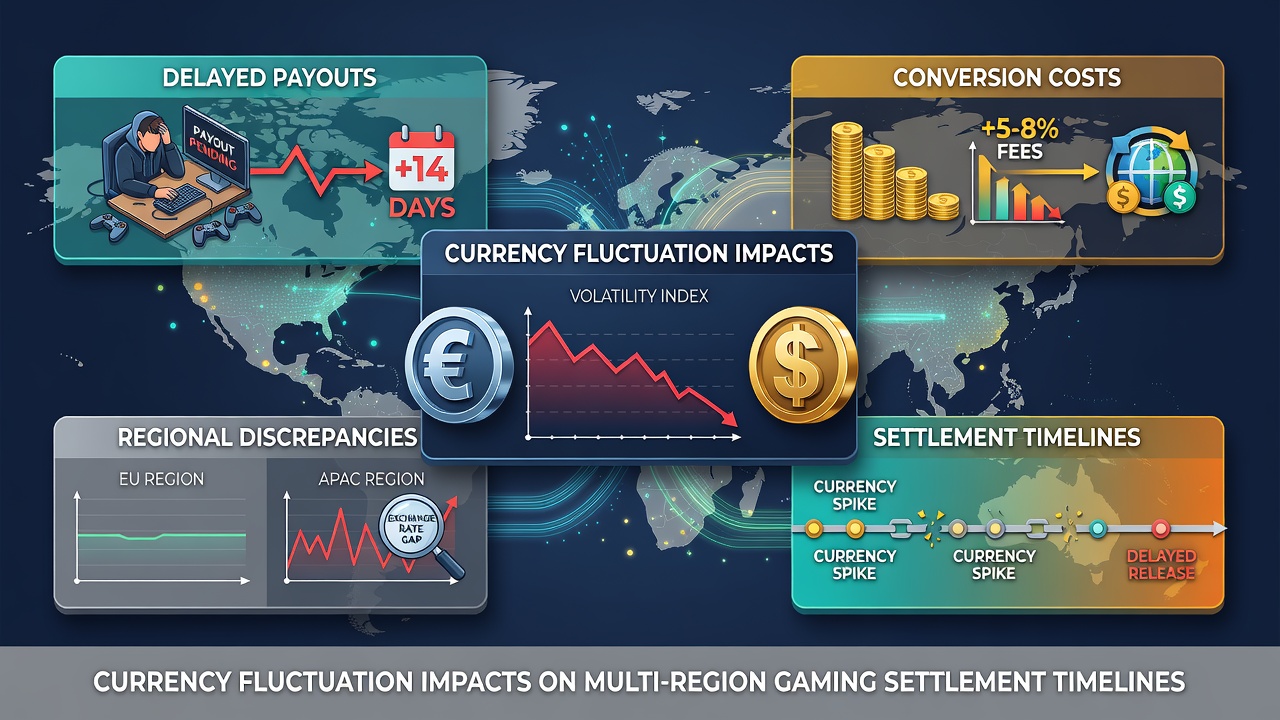
Exchange rate movements force platforms to insert additional verification steps when converting player deposits or winnings from one currency to another, and this process adds hours or days depending on the volatility level observed during the transaction window. Banking partners often hold funds in intermediate accounts while they confirm the final converted amount, which creates bottlenecks especially when rates shift more than two percent within a single trading session.
Multi-region operators report that settlement cycles stretch when currencies like the euro and Australian dollar experience rapid divergence, because compliance teams must recheck anti-money laundering flags tied to the new values before releasing payments. Research indicates that platforms using real-time rate feeds reduce some of these pauses, yet manual reviews still occur whenever thresholds set by internal risk policies are crossed.
Regional Patterns Observed Through Mid-2026
North American markets linked to European player bases saw average settlement times increase by 18 hours during periods of dollar strength against the euro in the first half of 2026, according to aggregated transaction data shared by payment processors. Meanwhile, operators handling traffic between Canadian and Asian markets noted shorter windows when the Canadian dollar stabilized, allowing same-day finalization in many cases.
August 2026 brought renewed attention to these dynamics after several central banks released updated volatility forecasts that gaming finance teams immediately incorporated into their routing algorithms. Platforms serving Australia and the United Kingdom adjusted their cut-off times for daily batches to account for expected movements in the Australian dollar, and those changes helped some operators maintain consistent timelines despite broader market turbulence.
Operational Adjustments and Technology Integration
Teams at large operators now rely on layered hedging contracts that lock in rates for specific settlement batches, and this approach limits the number of transactions that require re-approval after rate changes. Systems flag high-value transfers for priority processing when models predict larger swings, which keeps most player withdrawals inside expected windows even during active trading hours.
One study released by the Bank for International Settlements examined cross-border payment flows in regulated sectors and found that automated reconciliation tools cut average delays by nearly a third when currency pairs showed moderate volatility. Yet the same analysis highlighted persistent gaps when extreme events hit multiple regions simultaneously, forcing operators to extend timelines by up to 48 hours while they awaited updated bank confirmations.
Industry groups such as the American Gaming Association have documented how these timing shifts affect revenue recognition across borders, and their quarterly briefings note that platforms with diversified banking partners experience fewer interruptions. Observers note that smaller operators without access to advanced hedging instruments often absorb the full impact through extended float periods.
Compliance Overlaps With Timing Requirements
Regulatory frameworks in multiple jurisdictions require operators to document the exact exchange rate applied at each stage of a transaction, and this documentation step adds another layer that can lengthen settlement when rates move quickly. European and North American regulators both emphasize traceability, which means finance teams must sometimes pause batches while they generate additional reports for audit purposes.
Data shows that platforms operating across Canada and select Asian markets have shortened some of these pauses by pre-approving rate bands with local banks, allowing automatic progression as long as movements stay inside agreed limits. Those arrangements depend on stable relationships with regional financial institutions that understand the specific reporting needs of gaming operators.
Conclusion
Settlement timelines in multi-region gaming networks continue to reflect ongoing currency movements, with operators responding through technology, hedging, and adjusted banking partnerships. Figures released in August 2026 underscore that platforms maintaining flexible systems and multiple regional connections handle rate changes with fewer extensions, while the overall pattern shows that volatility remains a central factor in how quickly funds reach their final ledgers across borders.