Currency Swaps and Their Hidden Role in Stabilizing Revenue Flows for International Gaming Operators
Written by Viktor Brooks · Nov 13, 2026
Currency Swaps and Their Hidden Role in Stabilizing Revenue Flows for International Gaming Operators
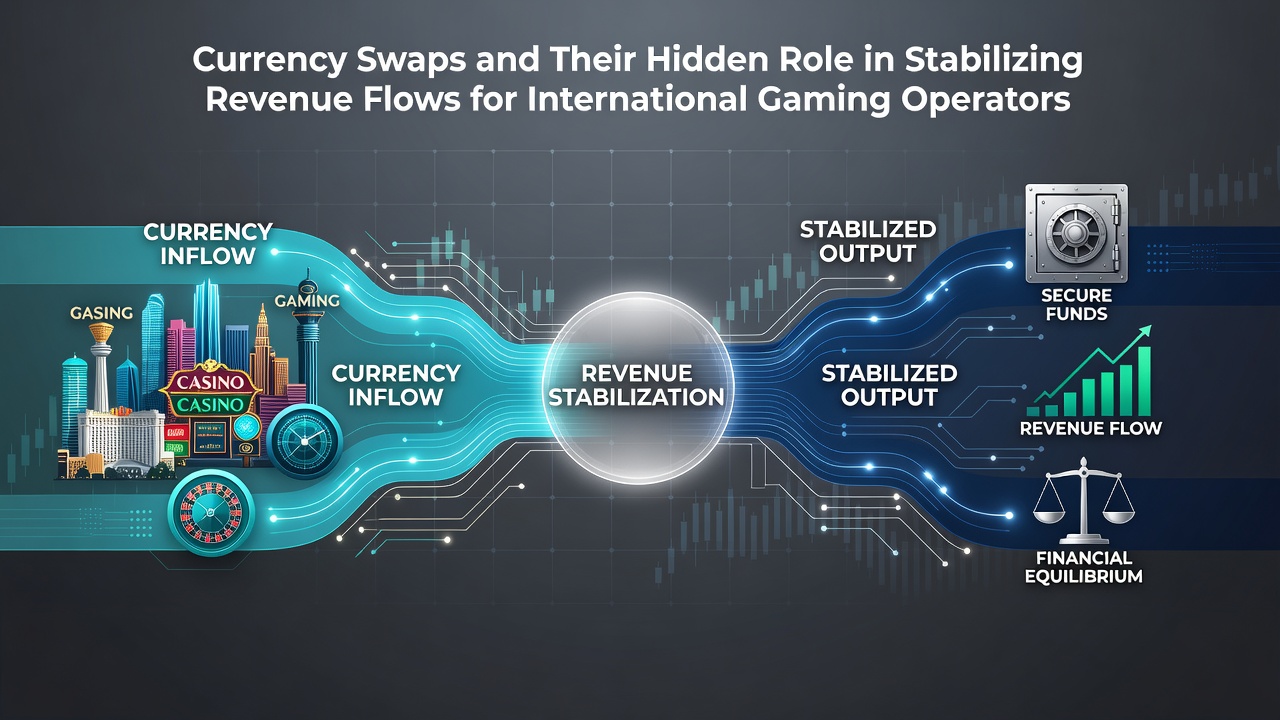
International gaming operators handle revenue streams that cross borders daily, and currency fluctuations create ongoing pressure on those cash flows. Currency swaps allow firms to exchange principal and interest payments in different currencies while locking in exchange rates for set periods, which reduces exposure when operators collect funds in one currency and report results in another.
Operators in markets such as the United States, Australia, and parts of Europe often receive player deposits in local currencies yet must consolidate earnings into a primary reporting currency. Without hedging tools, sudden shifts in exchange rates can alter the value of those earnings between the time of collection and the date of financial reporting. Currency swaps address this mismatch by converting future cash flows at predetermined rates, so the reported figures remain more predictable regardless of spot market movements.
How Currency Swaps Function in Gaming Operations
A typical swap begins when an operator agrees to pay a fixed amount in one currency and receive a corresponding amount in another currency over a defined schedule. The agreement usually covers both interest payments and the return of principal at maturity. Gaming companies apply these contracts to portions of their revenue that originate from jurisdictions with volatile currencies, which helps match incoming deposits with outgoing obligations such as supplier payments or tax remittances.
Data from the Bank for International Settlements shows that notional amounts outstanding in currency swaps reached substantial levels in recent years, with financial institutions and corporate users accounting for a growing share of activity. International gaming groups participate in this market through specialized treasury desks that monitor daily exposure across multiple time zones. In November 2026, several operators reported using extended swap tenors to cover seasonal revenue peaks tied to major sporting events and holiday promotions, thereby smoothing the translation of local-currency results into group accounts.
Integration with Existing Payment and Compliance Systems
Currency swaps operate alongside the layered payment gateways that gaming platforms already maintain. When a player funds an account in euros while the operator reports in dollars, the swap contract converts the net position at a locked rate rather than leaving the amount subject to daily market swings. This process occurs after initial deposit verification and before final settlement into corporate accounts, which keeps compliance records aligned with both gaming regulations and financial reporting standards.
Regulatory frameworks in Nevada and the Australian state of New South Wales require operators to demonstrate sound risk-management practices for cross-border funds. Currency swaps provide documented evidence of hedging activity that auditors review during periodic examinations. Those who have examined these filings note that the contracts appear as off-balance-sheet items until settlement, at which point the realized gain or loss flows through the income statement in a controlled manner.

Impact on Revenue Stability Across Multiple Jurisdictions
Operators running platforms in several countries face simultaneous exposure to different monetary policies and economic cycles. A strengthening local currency can increase the home-currency value of foreign revenue, yet the reverse movement erodes reported totals. Currency swaps neutralize part of this volatility by establishing fixed exchange rates in advance, which allows finance teams to forecast cash availability with greater certainty when planning capital expenditures or dividend distributions.
Industry reports compiled by research groups such as H2 Gambling Capital indicate that cross-border gaming revenue grew steadily through 2025 and into 2026, with notable contributions from regulated markets in North America and the Asia-Pacific region. Companies that maintain active swap programs have recorded narrower variances between budgeted and actual consolidated figures during periods of currency stress. The contracts do not eliminate all risk, but they reduce the frequency and magnitude of adjustments that would otherwise appear in quarterly results.
Payment processors that serve the sector often coordinate with treasury teams to time swap settlements near month-end reporting deadlines. This alignment ensures that hedged amounts enter the ledger at rates that match the original swap terms, which supports consistent reconciliation between transaction logs and financial statements.
Case Examples from Established Markets
One operator with licenses in multiple Canadian provinces and several U.S. states structured a series of swaps to cover revenue collected in Canadian dollars against its U.S. dollar reporting base. teh agreements ran for twelve-month terms and reset quarterly, which matched the operator's tax filing cycle. After implementation, the variance between projected and realized revenue in the consolidated statements narrowed measurably during periods when the Canadian dollar moved sharply against the U.S. dollar.
Another group active in European markets outside the United Kingdom used swaps to manage exposure between the euro and several Eastern European currencies. Settlements occurred after local regulators released updated compliance data, allowing the operator to adjust notional amounts in line with changing player volumes. Observers who reviewed the resulting filings observed that the hedging activity coincided with steadier quarter-over-quarter revenue growth in the group accounts.
Conclusion
Currency swaps occupy a specialized but measurable place in the financial architecture of international gaming operators. They convert uncertain future exchange rates into fixed terms that support steadier revenue recognition across borders. As operators continue to expand into additional regulated markets, the contracts remain one of several tools used to align incoming player funds with consolidated reporting requirements. The practice integrates with existing compliance and payment workflows without altering the underlying regulatory obligations that govern each jurisdiction.