Decoding Interconnected Risk Algorithms Behind Real-Time Approval Flows in High-Volume Gaming Funding Systems
Written by Wendy Schmidt · May 23, 2026
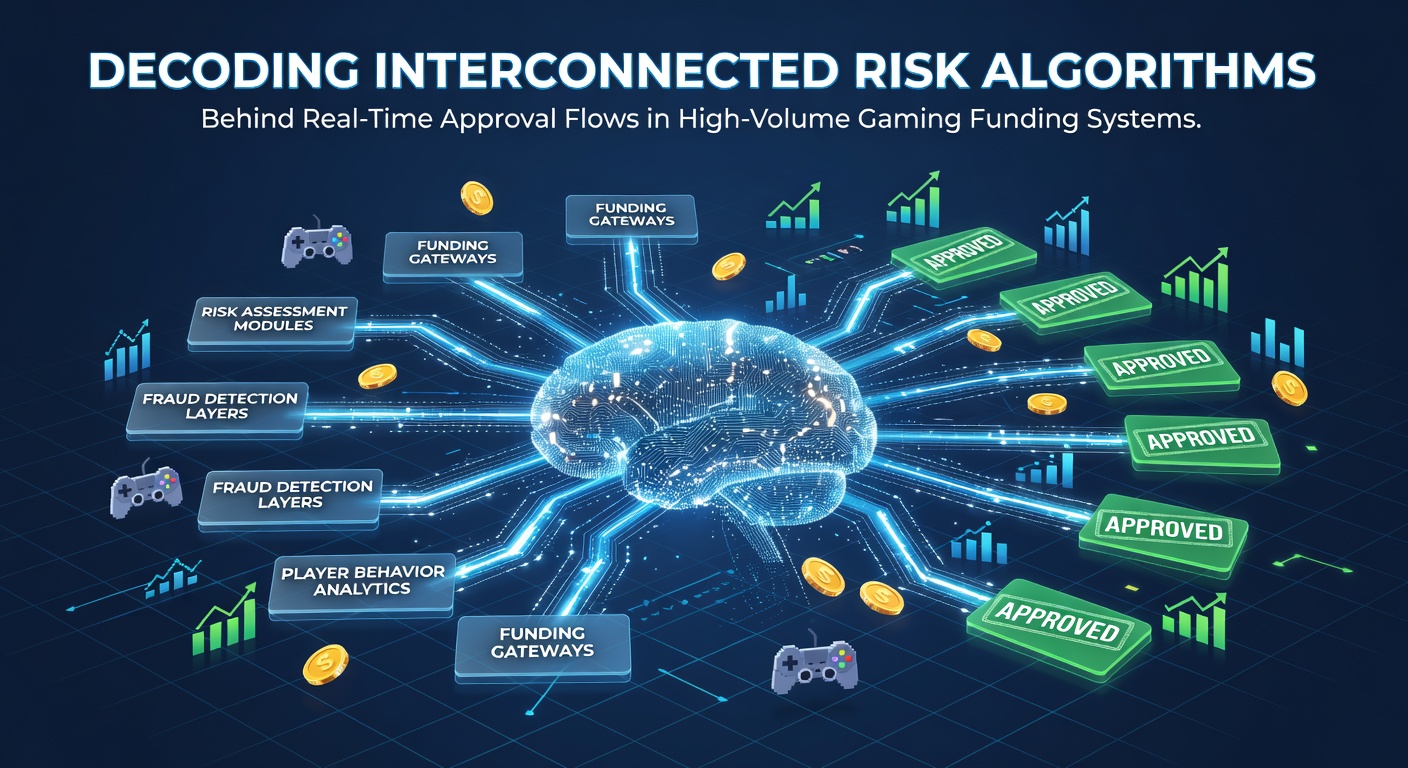
Decoding Interconnected Risk Algorithms Behind Real-Time Approval Flows in High-Volume Gaming Funding Systems
High-volume gaming funding systems rely on layers of algorithms that evaluate transactions in milliseconds while balancing multiple risk factors at once. These systems handle deposits from thousands of players across different regions each minute, and each approval decision draws on data points that include transaction velocity, account history, device fingerprints, and geographic signals. Observers note that the algorithms do not operate in isolation because one risk signal often triggers adjustments in others, creating a web of interconnected checks rather than a single linear process.
Core Components of Risk Algorithms in Gaming Funding
Real-time approval flows begin with basic authorization checks that confirm payment method validity and available funds, yet the deeper analysis starts immediately afterward. Machine learning models assess patterns such as deposit frequency within short windows, average transaction sizes compared to historical norms for that account, and correlations with known high-risk behaviors. Data from regulatory filings shows these models update continuously as new transaction records enter the system, allowing the algorithms to refine their scoring thresholds based on recent activity rather than static rules alone.
Another layer incorporates anti-money laundering indicators that flag unusual funding sources or rapid movement of funds across multiple accounts. These indicators connect directly to velocity controls because an account that suddenly receives deposits from several unrelated payment methods raises separate flags in both categories. Researchers at institutions studying digital payments have documented how such overlaps increase the overall risk score and can route the transaction to manual review queues when thresholds are crossed.
Interconnections Among Risk Signals
The strength of any single algorithm depends on inputs from neighboring models because risk does not accumulate in a simple additive manner. A high velocity score, for example, may carry less weight if the device fingerprint matches previous trusted sessions and the payment method has a long positive history with the platform. Conversely, a moderate geographic risk signal gains significance when combined with new account creation and an atypical deposit amount. Those who have studied these systems describe the process as a dynamic weighting exercise where each algorithm receives updated coefficients based on outputs from the others.
In practice this means the approval engine recalculates scores multiple times during a single transaction lifecycle. An initial low-risk determination can shift if a secondary check reveals that the same funding source appeared in a different jurisdiction only minutes earlier. Industry reports compiled by gaming associations indicate that such recalculations happen within the same processing window, preserving the real-time nature of the flow while still incorporating the full set of interconnected signals.
Performance in High-Volume Environments
Systems processing millions of transactions monthly must maintain sub-second response times even when multiple algorithms run in parallel. Engineers achieve this through distributed computing architectures that split the workload across specialized nodes, with each node responsible for one category of risk calculations. Results return to a central aggregator that applies the final weighting and issues the approval or decline decision. Figures from payment processor benchmarks reveal that average latency remains under 400 milliseconds for the majority of low-risk transactions, while flagged cases receive additional scrutiny that extends processing by only a few hundred milliseconds more.
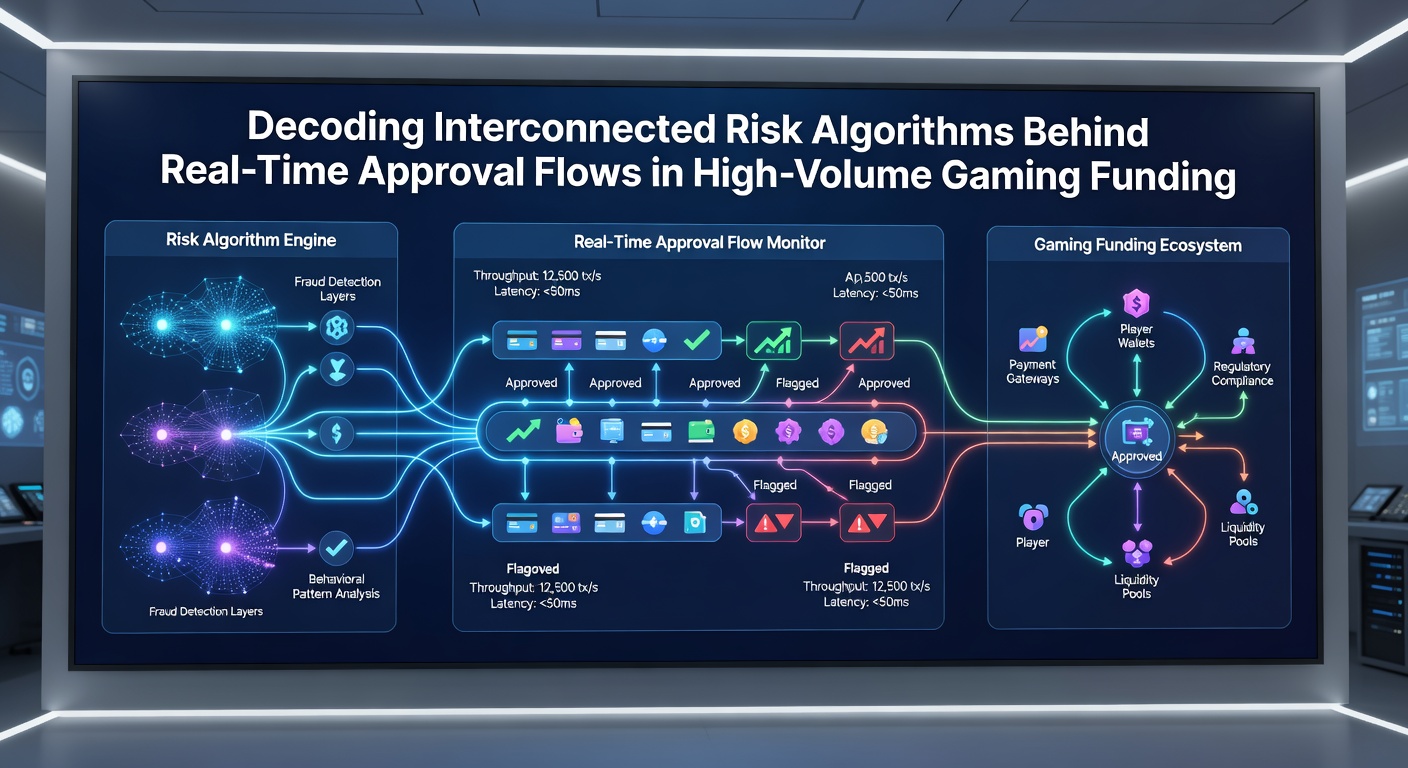
Scalability testing conducted in 2025 demonstrated that these interconnected systems handled peak loads during major sporting events without degradation in decision accuracy. The tests also showed that adding new risk signals, such as emerging cryptocurrency wallet patterns, required only modular updates to the existing framework rather than complete system overhauls. This modular design allows operators to incorporate fresh data sources while preserving the interconnections already established among older algorithms.
Regulatory Context and Developments Through May 2026
Regulators across multiple jurisdictions have increased expectations around explainability of automated decisions in gaming funding. In May 2026 the Financial Crimes Enforcement Network released updated guidance on model governance for financial technology providers serving gaming platforms, emphasizing documentation of how risk signals interact. Platforms responded by enhancing audit trails that record not only final scores but also the sequence of algorithm outputs and weighting adjustments applied during each approval cycle.
Similar requirements have appeared in other regions. The Canadian regulatory framework for online gaming, administered through provincial bodies, now requires periodic validation that interconnected algorithms do not produce disproportionate declines for specific demographic groups. Validation studies completed in early 2026 confirmed that platforms meeting these standards maintained overall approval rates above 96 percent while still detecting suspicious activity at rates consistent with prior years.
Conclusion
Interconnected risk algorithms form the backbone of real-time approval in high-volume gaming funding systems by continuously exchanging data and adjusting weights based on live conditions. The architecture supports both speed and depth of analysis, allowing platforms to process large transaction volumes while responding to regulatory expectations for transparency and fairness. As new data sources and jurisdictional requirements emerge, the same modular structure that enables current performance also provides a pathway for incorporating additional signals without disrupting existing interconnections.