How Biometric Integration Reshapes Approval Pathways in International Gambling Funding Networks
Written by Yara Wolf · Aug 12, 2026
How Biometric Integration Reshapes Approval Pathways in International Gambling Funding Networks
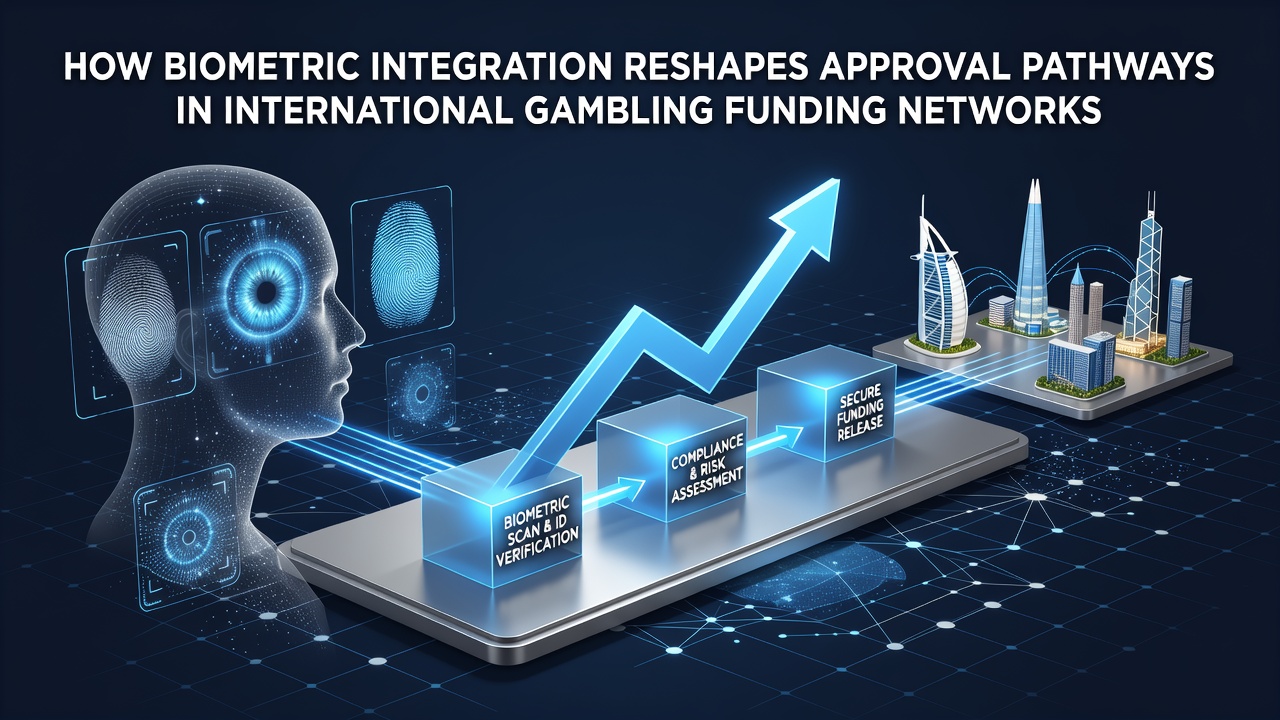
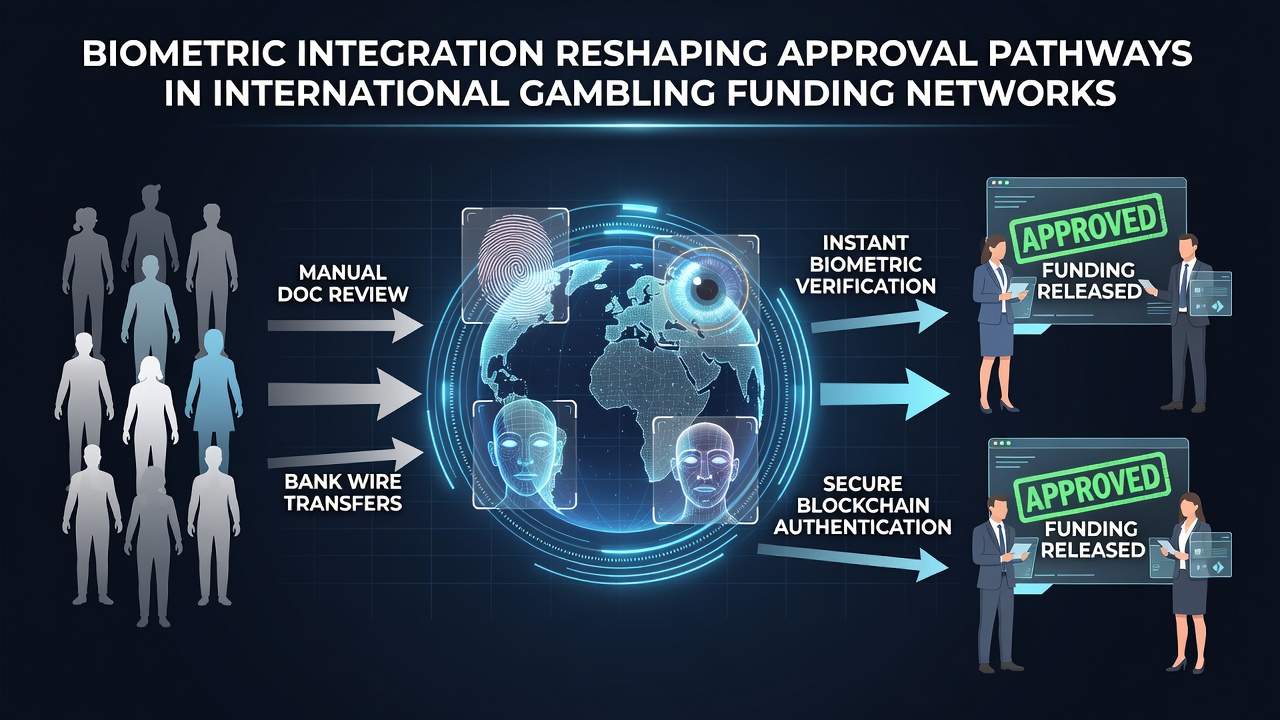
Biometric integration has begun to alter how approval pathways operate inside international gambling funding networks, particularly where cross-border transactions require rapid verification of player identity and funding sources. Systems now incorporate fingerprint scans, facial recognition, and voice patterns to confirm account holders before deposits clear through merchant processors or banking partners. These methods replace or supplement traditional password and token checks, which often create delays when networks span multiple jurisdictions with differing data rules.
Current Adoption Patterns Across Regions
Operators in several markets have rolled out biometric checkpoints at the point of funding initiation, and data from regulatory filings in August 2026 shows increased usage in North American and European platforms. In Canada the Alcohol and Gaming Commission of Ontario has documented pilot programs that tie biometric consent to real-time bank transfers, while Australian state regulators track similar trials through their licensed online wagering providers. The result is a shift in approval timing because biometric matches can occur within milliseconds once the initial enrollment template exists on the network.
Those who manage high-volume funding streams note that enrollment typically happens during account creation or first withdrawal, after which subsequent deposits route through the biometric layer without additional manual review. This setup reduces the number of transactions flagged for secondary compliance checks, although it also creates new dependencies on the accuracy of the stored biometric data.
Technical Mechanisms Behind Pathway Changes
Approval pathways now include a biometric verification node that sits between the player interface and the payment gateway. When a deposit request arrives, the node compares the live biometric sample against the enrolled template before forwarding the transaction details to the acquiring bank or e-wallet provider. If the match falls within predefined thresholds, the system releases the funds into the gaming ledger without further human intervention.
Researchers examining these flows have found that the integration shortens the authorization window from several seconds to under one second in most tested cases. Network architects achieve this speed by storing encrypted templates locally on the operator's servers or within secure enclaves provided by hardware vendors, which avoids repeated calls to external identity databases during each transaction.
Regulatory and Compliance Considerations
International frameworks continue to evolve around the storage and cross-border transfer of biometric information. The European Data Protection Board has issued guidance that classifies biometric data as special category information, requiring explicit consent and impact assessments before operators deploy the technology at scale. In contrast, certain U.S. tribal gaming authorities permit biometric use under existing player-account rules provided the data remains within the jurisdiction where the license was issued.
Observers tracking August 2026 filings see operators adjusting their routing logic so that biometric approvals for players located in stricter jurisdictions trigger additional encryption layers or localized data residency requirements. These adjustments maintain compliance while preserving the speed gains that biometric checks provide over manual document uploads.
Operational Impacts on Funding Networks
Payment processors that serve gambling clients report fewer chargeback disputes linked to account takeover once biometric confirmation becomes standard at the deposit stage. The reduction occurs because a successful biometric match ties the transaction directly to the physical person rather than to credentials that can be shared or stolen. Settlement cycles also shorten when processors can demonstrate to banks that identity verification happened through physiological markers rather than static identifiers alone.
One documented case involved a multi-jurisdictional operator that integrated facial recognition across its European and Asian funding corridors. After implementation the average time from deposit request to ledger credit dropped by measurable margins, and the operator recorded fewer instances where transactions were held for additional anti-money-laundering review.
Future Trajectory and Standardization Efforts
Industry groups such as the European Gaming and Betting Association continue to develop interoperability standards for biometric templates, aiming to reduce friction when players move between licensed operators in different countries. Academic papers from research institutions in Canada have examined template portability while preserving privacy protections, and early results suggest that standardized formats could further streamline approval pathways without increasing regulatory exposure.
As networks scale, the emphasis remains on maintaining template security and ensuring fallback mechanisms exist when biometric sensors fail or when regulatory changes restrict data sharing. The integration continues to reshape how quickly funds move through international gambling systems, driven by technical capability and compliance requirements that differ by region.
Conclusion
Biometric integration modifies approval pathways by inserting physiological verification steps that operate faster than legacy methods while satisfying identity requirements across borders. Operators and processors adjust their systems to accommodate both the speed benefits and the data-protection obligations that accompany biometric data handling. Continued coordination among regulators, processors, and technology providers will determine how widely these pathways expand in the coming years.