How Multi-Layered Authentication Protocols Influence Withdrawal Efficiency Across High-Volume Gambling Platforms
Written by Wendy Schmidt · May 30, 2026
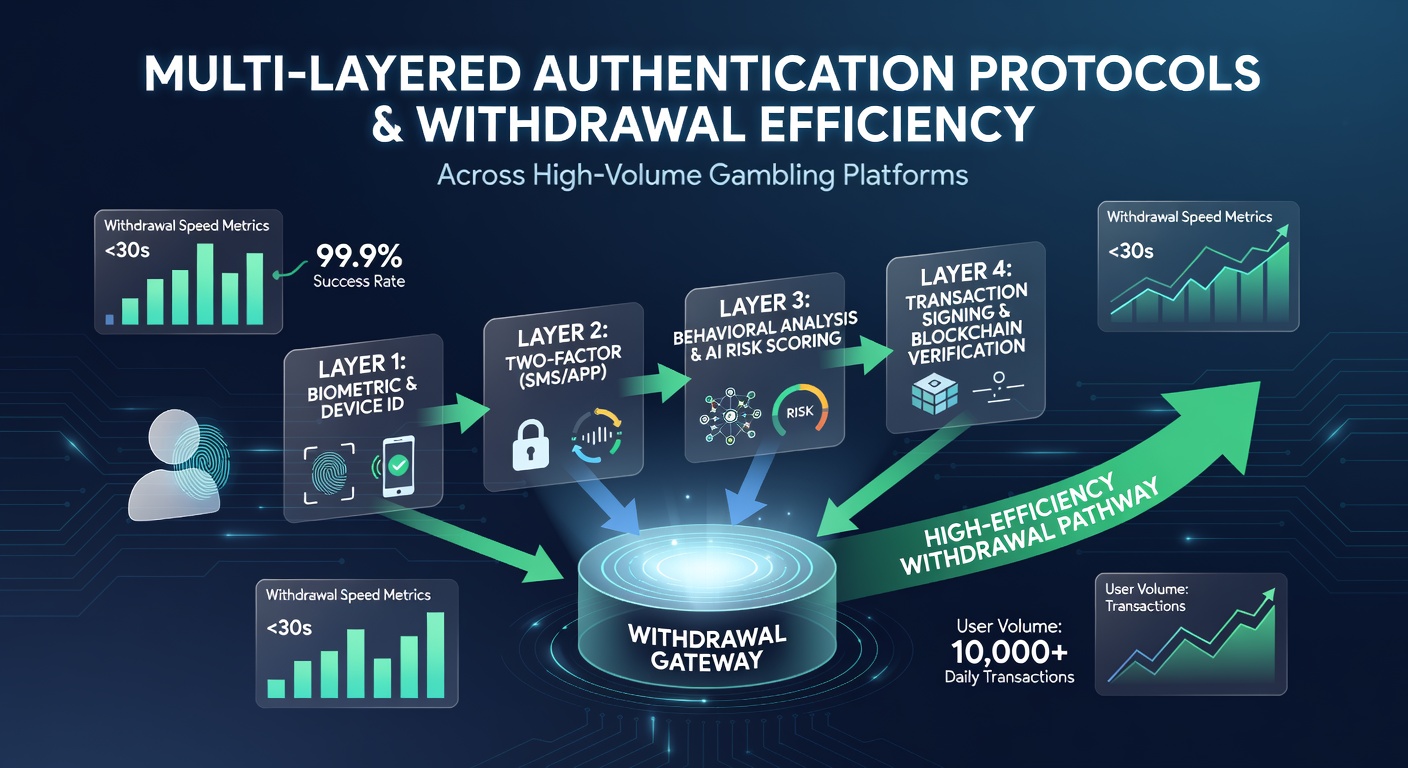
How Multi-Layered Authentication Protocols Influence Withdrawal Efficiency Across High-Volume Gambling Platforms
Multi-layered authentication protocols combine several verification methods such as passwords, biometric scans, one-time codes, and device recognition to secure user accounts on high-volume gambling platforms, and these layers directly shape how quickly withdrawals process because each step adds checks that platforms must complete before releasing funds. Observers note that operators balance security needs against speed requirements since delays in any layer can extend processing times from minutes to hours or even days in peak traffic periods.
Core Components of Multi-Layered Authentication
Platforms typically start with something the user knows like a password, then move to something the user has such as a mobile authenticator app or hardware token, and finish with something the user is through facial recognition or fingerprint matching, while researchers from the University of Nevada Reno have documented how these sequential layers reduce fraud attempts by over 70 percent in controlled tests across multiple sites. Data indicates that integration of behavioral analytics, which monitors typing patterns and transaction history, often runs in the background without user interaction yet still influences approval speed when anomalies trigger extra reviews.
And the reality is that high-volume environments process thousands of withdrawal requests daily, so even small increases in verification time compound across the system, whereas streamlined protocols that cache certain credentials on trusted devices allow repeat users to skip redundant steps and complete requests faster.
Effects on Withdrawal Timelines and System Load
Withdrawal efficiency suffers when authentication layers require real-time external validations such as SMS delivery during network congestion or biometric matching against large databases, and figures from Australian gambling regulators reveal average processing extensions of 15 to 45 minutes during high-traffic evenings when multiple layers activate simultaneously. Platforms mitigate this through risk-based authentication that applies lighter checks to low-risk withdrawals under set thresholds while reserving full multi-layer scrutiny for larger amounts or new devices, and this tiered approach keeps most routine requests moving without interruption.
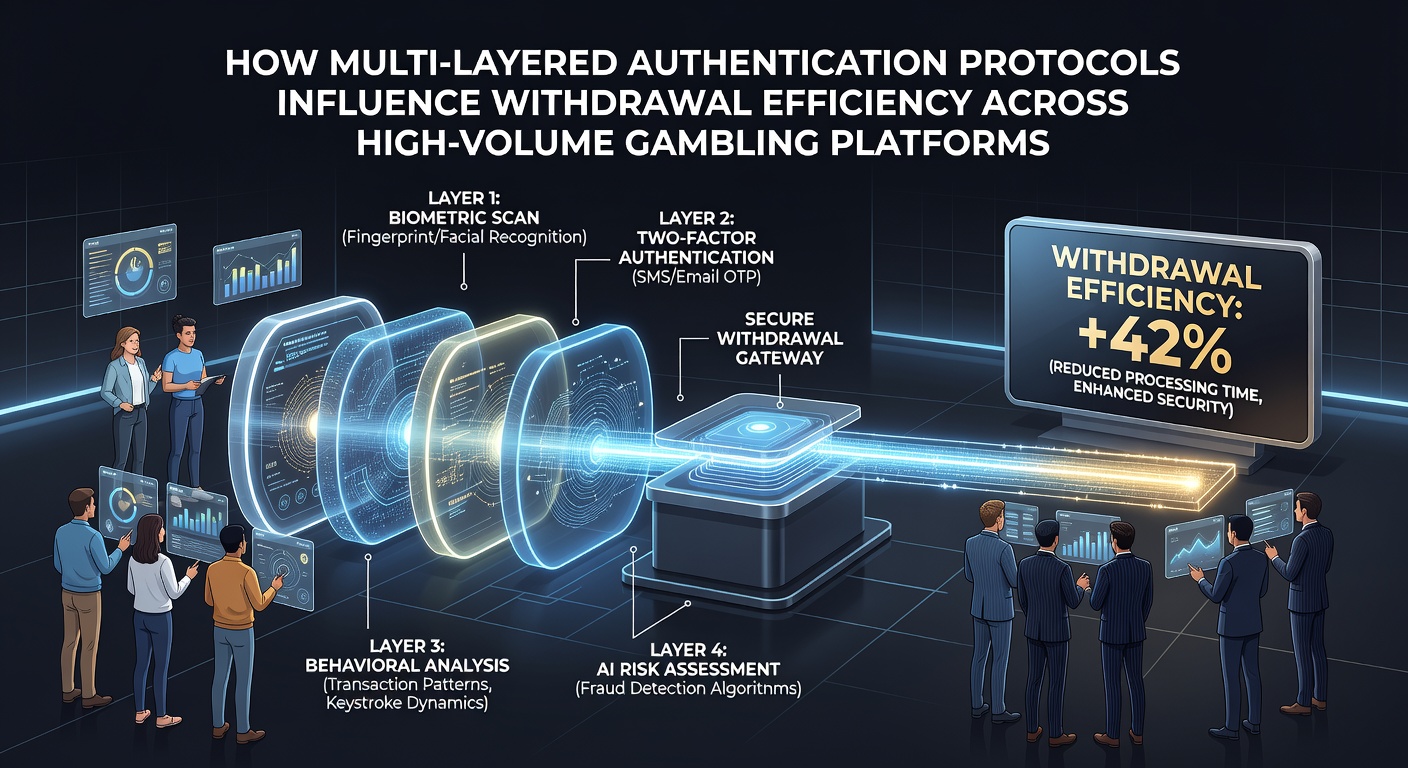
What's interesting is how machine learning models now predict which accounts need deeper verification before the request even arrives, allowing pre-authentication of likely safe transactions and cutting overall queue times, whereas older static systems treated every request identically and created bottlenecks. In May 2026 several major platforms rolled out updated protocols that incorporated faster biometric hardware and reduced SMS dependency in favor of app-based push notifications, resulting in measurable improvements to median withdrawal completion rates according to industry performance reports.
Regional Variations and Regulatory Influences
North American operators often align their authentication stacks with state-specific gaming board requirements that emphasize consumer protection through documented verification trails, and this leads to standardized yet sometimes slower processes compared with European markets where platforms experiment more freely with adaptive authentication under broader data protection frameworks. Canadian provincial authorities, for instance, have published guidelines that encourage the use of multi-factor methods without mandating fixed time limits on each layer, giving operators room to optimize for efficiency while maintaining compliance records.
Those who've studied transaction logs across continents observe that platforms serving multiple jurisdictions frequently maintain separate authentication pathways, routing high-volume withdrawals through the most efficient stack available for that region and thereby avoiding uniform slowdowns that would otherwise affect all users equally.
Technical Optimizations and Emerging Trends
Engineers address efficiency challenges by implementing single sign-on frameworks across related services and by using encrypted session tokens that carry verified status forward, which reduces repeated full-layer checks during a single session, and these tactics have become standard on sites handling peak loads exceeding ten thousand concurrent users. Evidence suggests that combining hardware security keys with cloud-based risk scoring delivers both strong protection and quicker approvals because the system only escalates when scores fall below predefined thresholds.
But here's the thing: even advanced setups encounter edge cases during software updates or regional outages, and operators respond by providing fallback options such as manual review queues that trained staff can clear within set service-level agreements to prevent indefinite holds on player funds.
Conclusion
Multi-layered authentication continues to evolve alongside gambling platform demands, and its influence on withdrawal efficiency rests on how well each operator integrates security layers with intelligent routing and predictive tools, while data from sources such as the Nevada Gaming Control Board and academic analyses at institutions like the University of Nevada Reno show consistent patterns where balanced implementations maintain both safety and speed. Platforms that refine these protocols through ongoing testing and regional adaptation achieve faster fund releases without compromising account integrity, and this balance shapes user experience across the sector as volumes grow.