Inside the Black Box of Real-Time Verification Processes That Protect Gambling Platforms From Fraudulent Funding Attempts
Written by Wendy Schmidt · Jun 8, 2026
Inside the Black Box of Real-Time Verification Processes That Protect Gambling Platforms From Fraudulent Funding Attempts
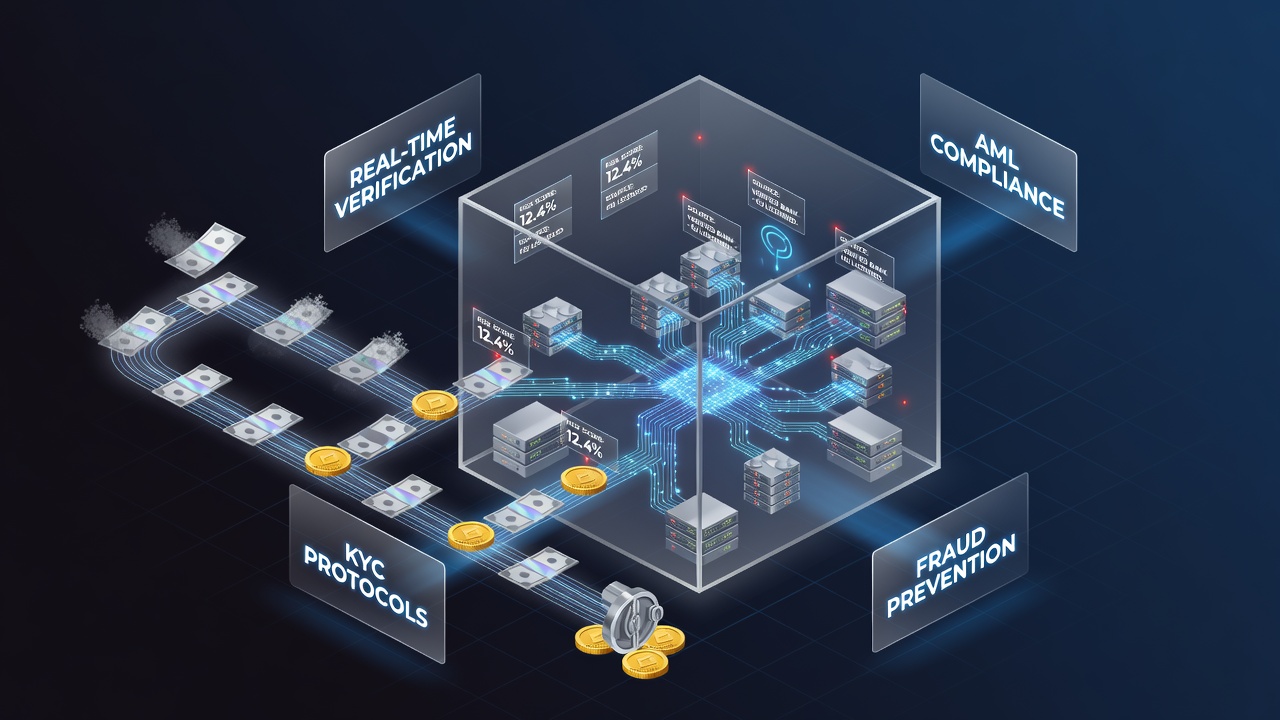
Real-time verification systems operate as layered filters that examine every funding attempt before it reaches a gambling platform's core ledgers, and operators in high-volume markets rely on these processes to separate legitimate player deposits from coordinated fraud schemes that surface daily across global networks.
How Verification Layers Activate During Funding Requests
Each incoming transaction triggers a sequence that begins with device and network signals, then moves through behavioral pattern matching while the request remains in a holding state measured in milliseconds, and payment processors combine these signals with historical data pulled from shared industry databases that track known fraudulent accounts across multiple jurisdictions. Researchers at institutions focused on financial crime have documented how these initial checks catch mismatches in IP geolocation against declared player addresses, while also flagging rapid successive attempts from the same hardware signature that often indicate automated scripts rather than individual users.
What's interesting is the way behavioral analytics extend beyond simple velocity rules, because systems now compare swipe patterns on mobile interfaces, timing between clicks, and even accelerometer data from phones to build a risk score that updates continuously, and this approach allows platforms to approve clean transactions almost instantly while routing suspicious ones to secondary review queues without interrupting the overall flow for the majority of players.
Integration of Machine Learning Models With Rule-Based Controls
Machine learning models sit alongside static rules that regulators require in licensed markets, and these models train on anonymized datasets that include both successful fraud attempts and near-misses identified in past months, yet the models adjust weights dynamically when new patterns emerge in June 2026 reports from North American operators. Data compiled by the Nevada Gaming Control Board shows that supervised learning techniques have reduced false positives in deposit screening by measurable percentages compared with earlier static systems, because the algorithms learn to distinguish between legitimate high-frequency players and organized groups using proxy networks.
Observers note that hybrid setups prove most effective, since pure machine learning can overlook edge cases that explicit compliance rules catch immediately, and the combination lets teams maintain audit trails that satisfy oversight requirements while still responding to threats that evolve faster than manual policy updates allow. One study released through academic channels in Canada examined transaction logs from provincial iGaming systems and found that ensemble methods combining random forests with neural networks delivered the highest precision in identifying chargeback-prone accounts before funds cleared.

Payment Method Scrutiny and Cross-Platform Data Sharing
Verification extends into the payment rails themselves, where systems validate card details against issuer databases and check for BIN patterns associated with prepaid or virtual cards that fraud groups favor, while also consulting real-time feeds from networks that aggregate intelligence on stolen credentials reported in the preceding hours. Platforms that participate in shared alert systems receive notifications when the same funding instrument appears across unrelated operators within tight time windows, and this collaboration reduces the window available for attackers who rotate accounts rapidly.
But here's the thing: even sophisticated checks encounter limits when fraudsters exploit legitimate payment channels through account takeover rather than new card creation, which shifts emphasis toward continuous authentication after the initial deposit clears and prompts additional identity confirmation steps for withdrawals or large balance changes. Australian regulatory filings from state-level bodies indicate that requirements for ongoing monitoring have tightened in recent licensing rounds, pushing operators to log session metadata that supports later forensic analysis without slowing approved play.
Challenges in Scaling Verification Across Jurisdictions
Operators managing multi-market platforms face added complexity because verification thresholds differ between regions, and a transaction acceptable under one set of rules may trigger escalation under another, which requires orchestration layers that apply jurisdiction-specific logic without creating bottlenecks visible to players. Teams that manage these systems often maintain separate risk profiles for each market segment, and updates to one region's models can propagate through shared infrastructure while preserving local compliance boundaries.
Evidence from industry reports compiled in 2026 highlights how cross-border data flows introduce latency concerns that teams mitigate through edge computing nodes positioned near major player clusters, and this architecture keeps decision times consistent even when primary data centers sit thousands of kilometers away. Those who've studied these deployments note that the balance between speed and thoroughness remains a constant engineering focus, especially as attack volumes fluctuate with seasonal events that draw larger player bases.
Conclusion
Real-time verification inside gambling platforms continues to evolve through incremental refinements to models, expanded data-sharing agreements, and tighter integration with payment networks, and the processes that remain invisible to most users form the primary barrier against systematic funding fraud that targets high-velocity environments. Figures from regulatory filings and technical studies show measurable gains in detection rates alongside stable approval speeds for compliant activity, which suggests the black box systems will keep adapting as new vectors appear in coming cycles.