Ledger Alignment Techniques Used by Gaming Firms to Match Player Funding Sources with Regulatory Reporting Requirements
Written by Wendy Schmidt · Aug 19, 2026
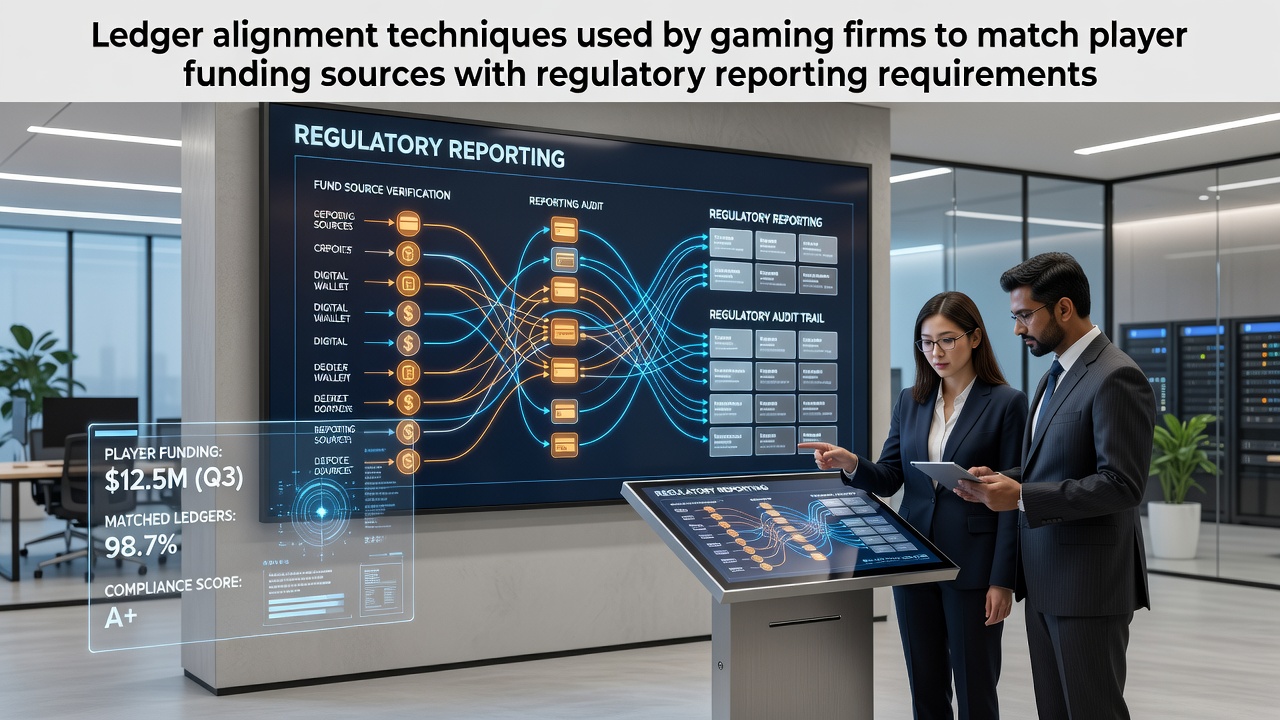
Ledger Alignment Techniques Used by Gaming Firms to Match Player Funding Sources with Regulatory Reporting Requirements
Gaming firms track player deposits across credit cards, e-wallets, bank transfers, and cryptocurrency options while mapping each source directly into centralized accounting systems that satisfy reporting rules in multiple jurisdictions, and these alignment methods rely on automated reconciliation tools combined with manual oversight to prevent discrepancies that regulators might flag during audits.
Core Components of Funding Source Tracking
Operators categorize incoming funds by type at the moment of deposit, then assign unique identifiers that follow the transaction through settlement cycles, while software platforms integrate with payment processors to capture metadata such as originating bank details and currency conversion rates. Research from industry reports shows that firms handling high volumes often deploy real-time ledgers updated every few minutes, which reduces the lag between player action and recorded entry. Data from August 2026 reveals that platforms processing transactions above certain thresholds maintained separate sub-ledgers for each funding category to simplify extraction of figures required by state and provincial authorities.
One common approach involves tagging every deposit with jurisdiction-specific codes before it reaches the main revenue account, and this tagging happens automatically through API connections that pull compliance fields from player profiles. Observers note that companies operating across North America and Europe frequently maintain parallel record sets, one formatted for U.S. state reporting and another aligned with Canadian provincial standards, yet both draw from the same underlying transaction database to avoid duplication errors.
Automated Reconciliation and Validation Layers
Systems compare player funding records against bank statements and processor reports on a daily basis, flagging mismatches for review within hours rather than days, and these checks incorporate rule sets derived from regulatory guidelines issued by bodies such as the iGaming Ontario. When a deposit originates from a new source, the ledger prompts additional verification steps that include source-of-funds questionnaires and enhanced due diligence flags, which then feed directly into monthly regulatory submissions. Studies indicate that firms using machine learning models to predict common reconciliation issues achieve faster closure rates on outstanding items compared with manual processes alone.

Validation occurs at multiple points along the transaction path, beginning with initial authorization and continuing through clearing and settlement, while each stage generates immutable logs that regulators can request during examinations. Gaming firms in regions covered by the Malta Gaming Authority often layer additional controls to meet EU anti-money laundering directives, creating audit trails that link individual player accounts to aggregate revenue figures without exposing personal data unnecessarily.
Integration with Regulatory Reporting Cycles
Monthly and quarterly reports pull directly from aligned ledgers, pulling specific fields such as total deposits by payment method and average transaction size per jurisdiction, and firms schedule these extractions to coincide with filing deadlines set by authorities in New Jersey, Pennsylvania, and Ontario. When new rules emerge, companies update their mapping tables rather than rebuilding entire systems, which keeps historical data intact while satisfying updated requirements. Figures released in August 2026 showed that operators who synchronized ledger updates with regulatory calendar changes experienced fewer amendment requests from oversight bodies.
Cross-border operations add complexity because currency fluctuations and differing tax treatments must appear consistently across reports, yet centralized dashboards allow compliance teams to view unified views filtered by region. Researchers have documented cases where firms implemented blockchain-based timestamping for key ledger entries, providing an extra layer of verification that satisfies both internal auditors and external examiners without slowing daily operations.
Conclusion
Ledger alignment techniques continue to evolve as payment methods multiply and regulatory frameworks adapt to new technologies, and gaming firms that maintain flexible mapping systems combined with rigorous validation protocols meet reporting obligations while keeping operational costs manageable. The methods described above represent current practices observed across multiple markets, supported by data from government agencies and industry analyses that track performance metrics over time.