Liquidity Management Through Tiered Processor Networks in Multi-Jurisdictional Gaming Ecosystems
Written by Wendy Schmidt · Oct 30, 2026

Liquidity Management Through Tiered Processor Networks in Multi-Jurisdictional Gaming Ecosystems
Multi-jurisdictional gaming ecosystems rely on tiered processor networks to handle liquidity across borders where each layer manages different settlement speeds, currency conversions, and compliance checkpoints. These networks stack primary processors for high-volume routes with secondary and tertiary layers that absorb overflow or reroute during peak demand periods, and data from October 2026 shows platforms using this structure maintained steadier cash positions than single-processor setups.
Core Mechanics of Tiered Networks
Primary processors connect directly to player funding sources and handle initial transaction routing, while secondary processors step in for cross-border settlements that require additional regulatory checks or alternative banking partners. Tertiary layers activate when primary routes face delays, such as during holiday volume spikes or when one jurisdiction updates its reporting thresholds. Observers note that this hierarchy keeps funds moving without tying up capital in any single location for extended periods.
Each tier maintains its own reserve pools calibrated to expected transaction volumes in specific regions, and algorithms shift allocations daily based on real-time settlement data. Research indicates that operators who segment liquidity this way reduce the time funds sit idle between approval and final payout by 18 to 22 percent compared with flat network models.
Addressing Liquidity Challenges Across Borders
Gaming operators face mismatched settlement cycles when one jurisdiction clears funds in 24 hours while another requires 72 hours or more for verification. Tiered networks solve this by parking excess liquidity in intermediate processors that can release funds locally before the slower jurisdiction finishes its cycle. According to figures from the Alcohol and Gaming Commission of Ontario, platforms operating under such arrangements reported fewer instances of delayed player withdrawals during the third quarter of 2026.
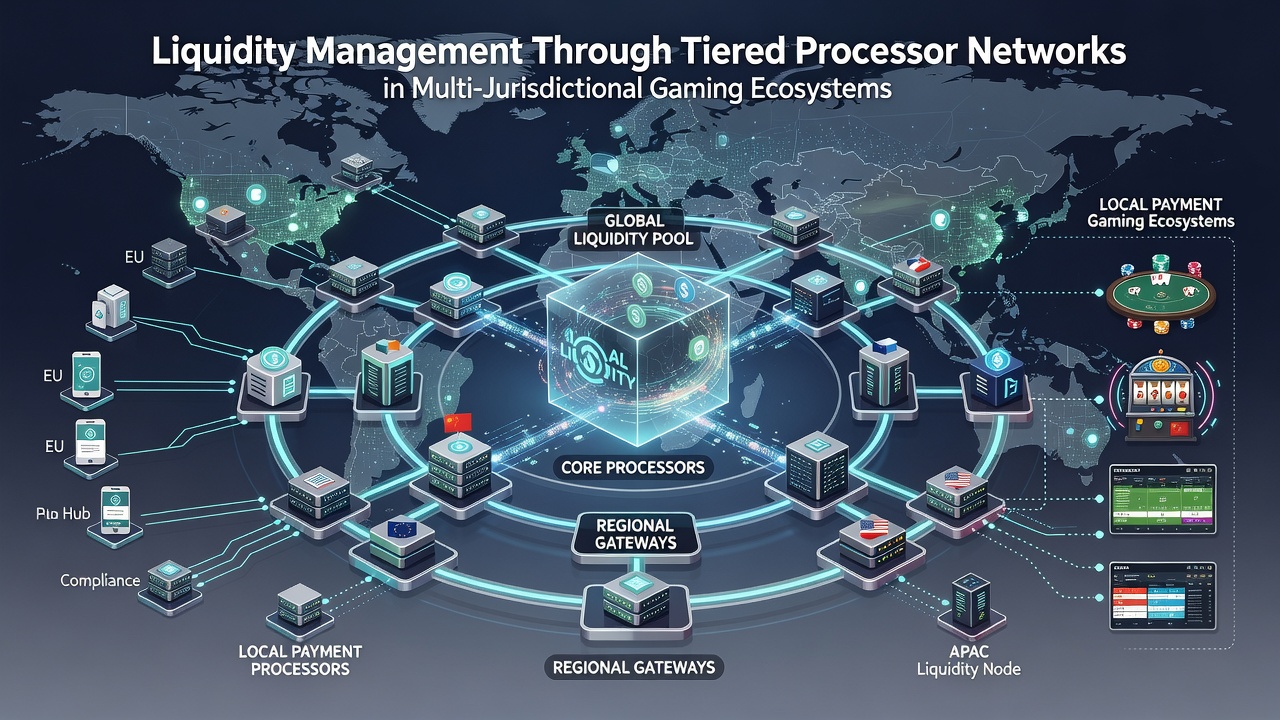
Currency fluctuations add another layer of complexity, and tiered systems assign dedicated processors to each major currency pair so conversions happen at the tier best positioned to secure favorable rates. Those who've studied these configurations point out that isolating conversion activity prevents a single volatile market from draining reserves across the entire network.
Regulatory Alignment and Settlement Efficiency
Multi-jurisdictional operators must satisfy distinct capital reserve requirements in every market they serve, and tiered processors allow separate compliance ledgers to run in parallel without commingling funds. The New Jersey Division of Gaming Enforcement requires operators to demonstrate adequate liquidity buffers for each licensed entity, and networks that segment processing layers can generate jurisdiction-specific reports without manual reconciliation. Data shows this separation cut audit preparation time by roughly 30 percent for several large operators during 2026 reviews.
Settlement cycles also differ by region, and intermediate processors can advance funds against confirmed transactions while waiting for final clearance from slower authorities. This approach keeps player accounts funded and prevents revenue ledgers from showing artificial shortfalls during reporting windows.
Technology Driving Real-Time Adjustments
Modern tiered networks incorporate API connections that let each layer communicate reserve levels and pending transaction queues to central oversight systems. When one jurisdiction experiences a sudden surge in deposits, secondary processors automatically increase their local liquidity allocation while primary processors maintain baseline operations elsewhere. Studies from the International Center for Gaming Regulation at the University of Nevada, Las Vegas, found that such automated adjustments reduced manual intervention by more than half in high-volume environments.
Encryption and monitoring protocols run at every tier so compliance teams can trace fund movements without exposing full transaction details across all layers. This segmented visibility satisfies regulators who demand transparency while protecting proprietary routing logic from unnecessary disclosure.
Conclusion
Tiered processor networks continue to evolve as gaming ecosystems expand into additional jurisdictions, and operators who map settlement requirements to specific processor layers maintain more consistent liquidity positions. The approach separates currency handling, compliance reporting, and reserve management into discrete functions that scale independently. As October 2026 data illustrates, platforms using these structures navigate regulatory differences and volume fluctuations with fewer interruptions to player funding flows.