Mapping the Journey of Deposits from Player Wallets to Casino Revenue Ledgers
Written by Wendy Schmidt · May 18, 2026
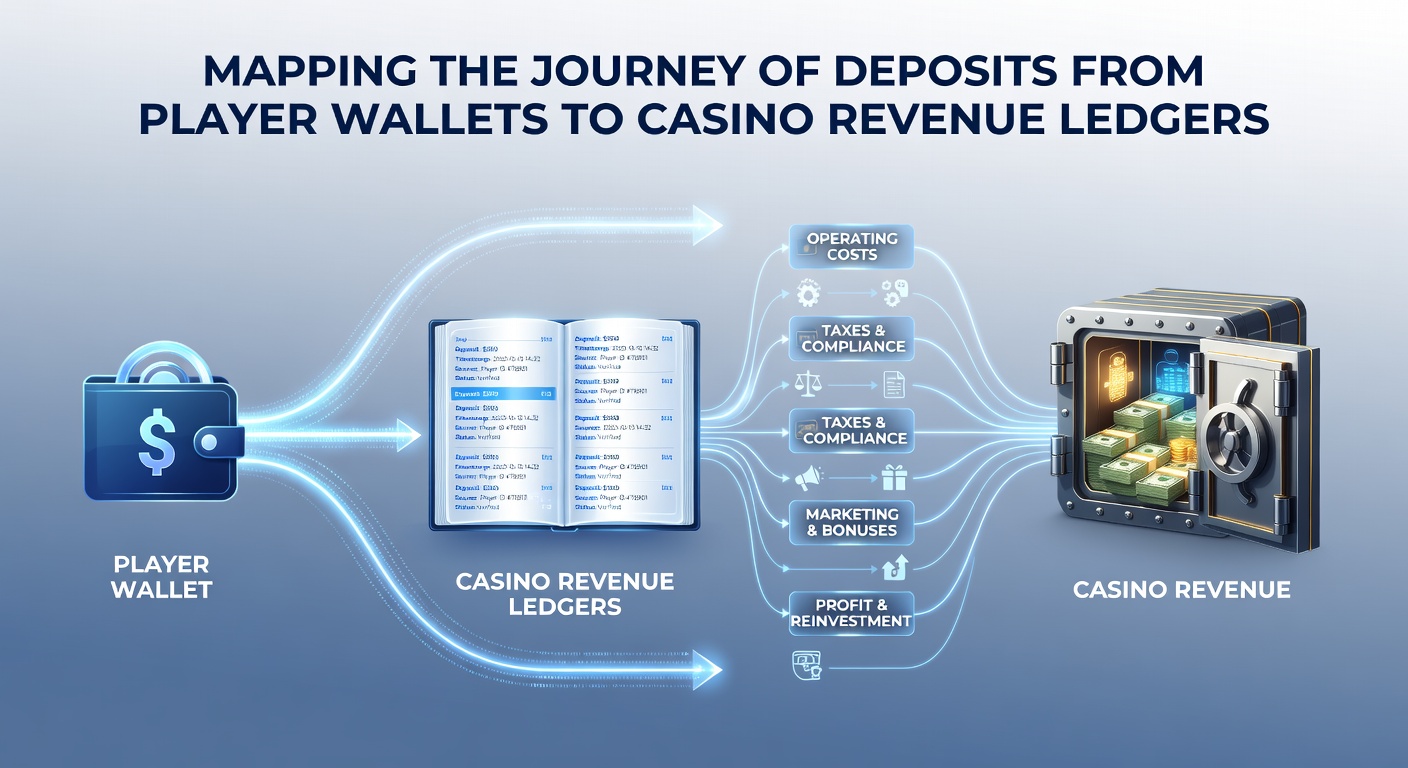
Mapping the Journey of Deposits from Player Wallets to Casino Revenue Ledgers
The path a deposit takes from a player's digital wallet to a casino's revenue ledger involves multiple technical handoffs, regulatory checkpoints, and accounting entries that observers in the gaming industry track closely. Funds leave player accounts at banks or e-wallet providers, pass through licensed payment processors, and arrive in operator-controlled merchant accounts before appearing as recognized revenue. Each stage generates audit trails that help companies meet compliance standards set by various gaming authorities around the world. Payment initiation starts when a player selects a funding method inside the casino interface. Cards, digital wallets, bank transfers, and increasingly cryptocurrency options trigger an authorization request that travels to acquiring banks or gateways. Data shows that in many regulated markets these requests complete in under three seconds, although settlement to the casino's operating account can take anywhere from one to five business days depending on the rail used.Processor and Gateway Layer
Once the authorization clears, the transaction reaches a payment processor that handles routing, fraud screening, and initial reconciliation. These firms maintain connections to card networks and alternative payment schemes, applying risk rules that differ by jurisdiction and player history. Researchers at institutions studying digital payments note that processors often hold funds briefly in pooled accounts before releasing them to the casino's designated settlement account, a step that creates a clear separation between player liability and operator assets. Accounting teams at the casino then record the incoming amount in a liability account until game play occurs. Only after the player wagers the funds does the operator move the appropriate portion into revenue ledgers, a distinction required by most gaming regulations. This timing prevents premature recognition and supports accurate tax reporting to bodies such as the New Jersey Division of Gaming Enforcement and similar agencies in other regions.Reconciliation and Ledger Updates
Daily batch files from processors feed into the casino's management system, where automated scripts match transaction identifiers against player activity logs. Discrepancies trigger manual review, a process that has become more efficient with the adoption of real-time APIs. Figures from industry reports indicate that operators processing high volumes in 2025 reduced reconciliation errors by roughly 40 percent after upgrading these interfaces. As of May 2026, several platforms have integrated additional data fields that track deposit source alongside wagering activity, giving finance teams greater visibility into which payment methods generate the highest lifetime value. These enhancements also support regulatory requests for granular reporting on player funding patterns.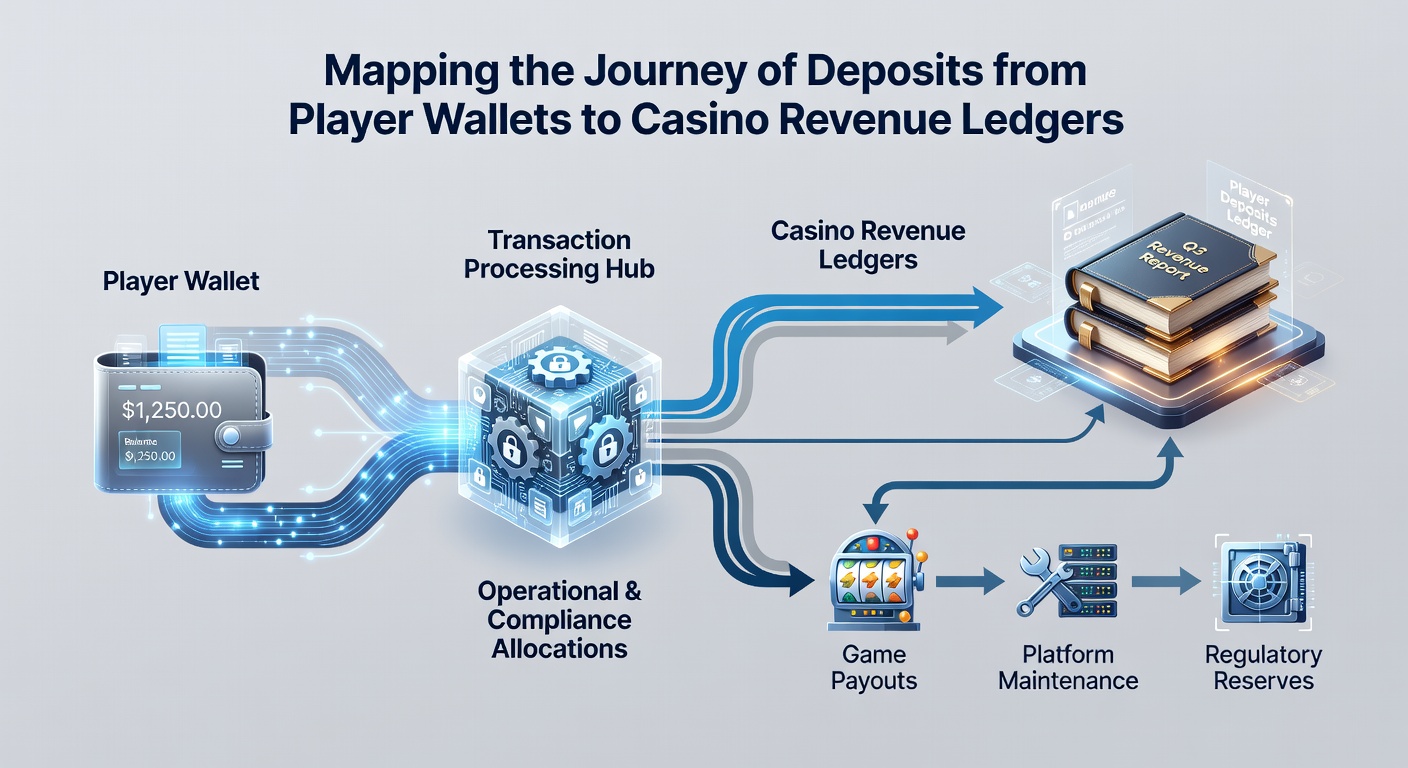 Security protocols wrap every transfer. Encryption standards required by payment card industry rules and local gaming laws protect card and account details in transit, while tokenization replaces sensitive numbers with unique identifiers stored in secure vaults. Observers note that casinos maintaining separate environments for payment data and gaming systems reduce the scope of potential breaches.