NSW Labor Conference Prompts Poker Machine Reform Package for State Election
Written by Klara Friedrich · Jul 6, 2026

NSW Labor Conference Prompts Poker Machine Reform Package for State Election
The NSW state government plans to introduce a series of stricter measures on poker machines after a motion passed at the NSW Labor Party annual conference, and these changes are set to form part of the party's platform ahead of the next state election. The reforms target electronic gaming machines through a combination of licensing restrictions, tax adjustments, machine reductions, and technology requirements aimed at supporting harm minimization efforts across pubs and clubs. Current figures place nearly 88,000 authorized poker machines in New South Wales, with the majority located in licensed venues such as hotels and registered clubs. The proposed package includes a moratorium on new machine licenses, higher taxes applied to clubs that generate more than AU$20 million in annual gaming profits, and a requirement that 50 percent of any machines relocated between venues be removed from operation entirely. A broader target calls for a significant reduction in the overall number of machines across the state over the next decade, while mandatory facial recognition technology would be installed in all gaming rooms to underpin a statewide exclusion register.Conference Motion Sets Reform Direction
The annual NSW Labor Party conference provided the catalyst for these policy directions when delegates endorsed the motion that now guides government planning. Observers note that the motion outlined specific steps to address machine density and revenue streams from high-performing venues, and the state government has indicated it will translate these elements into formal policy commitments before the election cycle advances. Data from industry monitoring shows that clubs exceeding the AU$20 million profit threshold represent a concentrated segment of total gaming revenue, which explains why the tax adjustment focuses on that group rather than applying uniformly.
Key Elements of the Proposed Changes
The moratorium on new licenses would halt any expansion of machine numbers through fresh approvals, creating a hard cap while existing entitlements continue under current rules. Higher taxes on larger clubs would apply progressively to gaming profits above the threshold, generating additional revenue that could support related regulatory or community programs. The 50 percent removal rule for relocated machines would reduce total stock whenever venues transfer entitlements, and this mechanism is expected to contribute to the longer-term goal of lowering the statewide total by a substantial margin over ten years.
Mandatory facial recognition technology forms another core component, requiring installation across all gaming rooms to enable real-time checks against a central exclusion register. This system would allow individuals who have self-excluded or been excluded by authorities to be identified upon entry, preventing access to machines in any participating venue. Implementation would occur alongside the other measures, with venues required to integrate the technology as part of compliance obligations.
Current Machine Landscape in NSW
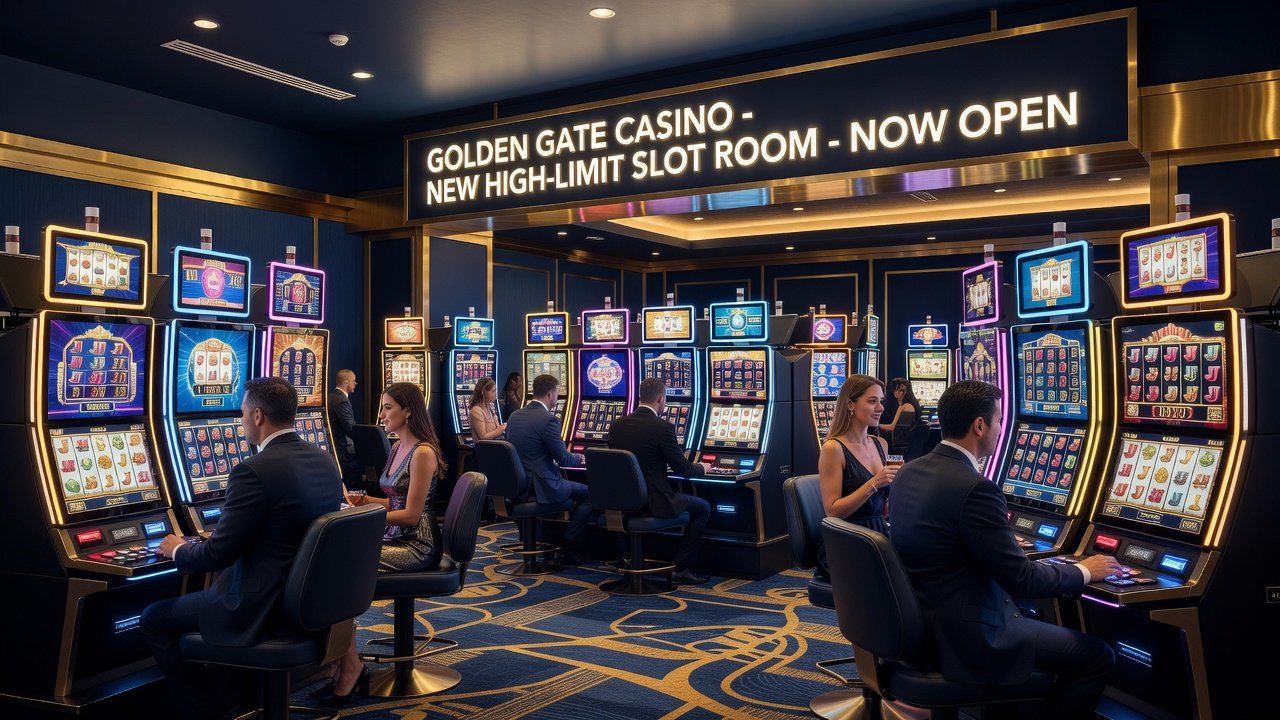
NSW maintains one of the higher concentrations of electronic gaming machines among Australian states, with nearly 88,000 units authorized primarily through pubs and clubs. These venues operate under licenses that permit machine numbers based on historical entitlements and regulatory approvals, and the proposed reforms would alter both the growth trajectory and operational requirements for those entitlements. Government records indicate that machine density varies by region, with metropolitan and regional clubs holding significant shares of the total inventory.
The exclusion register supported by facial recognition would operate on a statewide basis, drawing on existing self-exclusion programs while expanding coverage through mandatory technology adoption. Venues would need to ensure that gaming room access points incorporate the recognition systems, and data from similar programs in other jurisdictions shows that such registers can track individuals across multiple sites when integrated properly.
Timeline and Implementation Considerations
Policy development following the July 2026 conference motion is expected to move through legislative and regulatory channels in the lead-up to the state election. The moratorium and tax changes could take effect through amendments to existing gaming legislation, while machine reduction targets would rely on the relocation rule and any additional surrender mechanisms developed during drafting. Facial recognition rollout would require technical standards and a phased installation schedule to allow venues time to comply without disrupting operations.
Industry associations representing clubs and pubs have begun reviewing the proposed measures, and their feedback will likely inform the final details of each reform element. Government agencies responsible for liquor and gaming regulation would oversee enforcement, including verification of tax calculations for clubs above the profit threshold and audits of facial recognition system performance against the exclusion register.
Conclusion
The NSW government's adoption of these poker machine reforms reflects the motion passed at the Labor Party conference and establishes a clear policy direction ahead of the next election. The combination of licensing controls, targeted taxation, machine reductions, and mandatory technology creates a framework that addresses both the total number of devices and the systems used to manage access. As implementation details are finalized, stakeholders across the gaming sector will track how each component integrates with current venue operations and regulatory oversight.