The Interplay of Velocity Checks and Authorization Tiers in Accelerating Verified Casino Transactions Across Borders
Written by Viktor Brooks · Sep 4, 2026
The Interplay of Velocity Checks and Authorization Tiers in Accelerating Verified Casino Transactions Across Borders
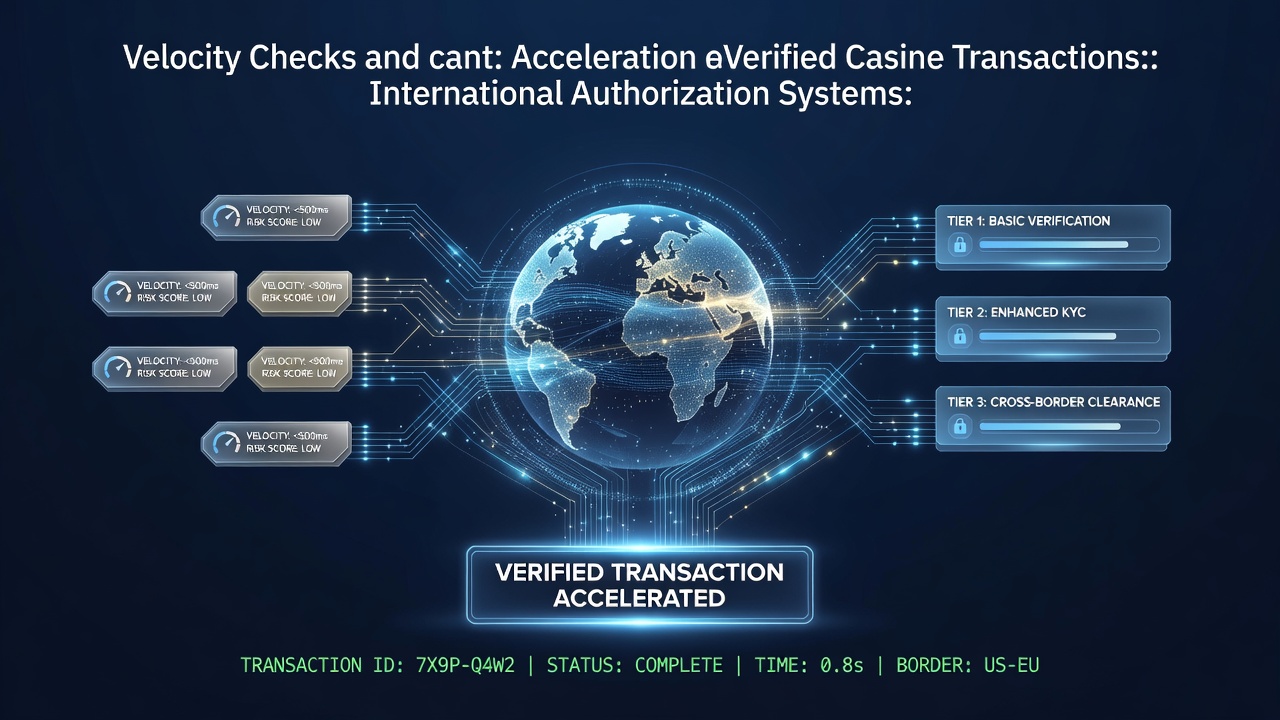
Velocity checks monitor transaction frequency and volume limits while authorization tiers establish graduated verification levels that together shape how quickly verified casino transactions move across international borders, and systems integrate both mechanisms to balance speed with compliance requirements in high-volume gaming environments.
Operators apply velocity checks at multiple points in the funding cycle, setting thresholds on daily or weekly deposit counts and cumulative amounts that trigger additional reviews when players exceed those parameters, yet these controls operate alongside authorization tiers that assign risk scores based on factors such as account history, geographic origin, and payment method type.
Core Mechanisms in Cross-Border Processing
Authorization tiers typically range from basic identity confirmation for smaller amounts to enhanced due diligence involving document uploads and third-party database queries for larger or repeated transfers, and velocity checks feed directly into these tiers by flagging patterns that elevate a transaction to a higher verification layer without halting the entire process.
Data from the New Jersey Division of Gaming Enforcement shows that integrated velocity and tier systems reduced average approval times for verified cross-border deposits by approximately 35 percent in monitored periods, while maintaining alignment with anti-money laundering protocols across participating jurisdictions.
Technical Integration and Real-Time Adjustments
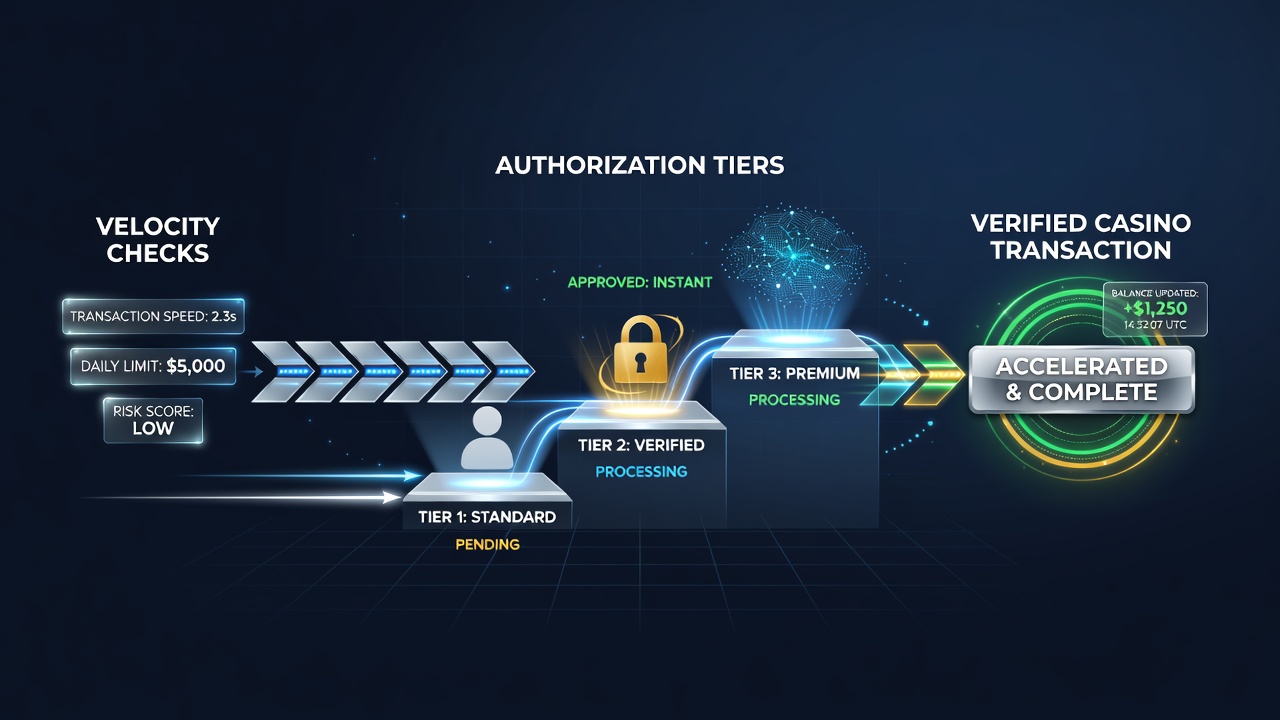
Payment platforms synchronize velocity rules with tiered authorization engines so that a player who stays within preset limits advances through lower tiers automatically, whereas any spike in activity prompts escalation to secondary or tertiary review stages that still complete within seconds when pre-approved data exists on file.
Research from the University of Nevada's International Gaming Institute indicates that operators who calibrate velocity parameters against authorization tier logic achieve faster settlement cycles for recurring players from regions with compatible regulatory frameworks, and this calibration relies on shared data feeds between acquiring banks and casino management systems.
Regional Variations and September 2026 Developments
As of September 2026, several North American and European platforms updated their velocity thresholds to reflect new reporting standards from the Canadian Gaming Association, allowing verified accounts that maintain consistent transaction patterns to bypass certain intermediate authorization steps during peak periods.
These updates demonstrate how velocity data streams inform real-time tier adjustments, enabling systems to accelerate approved transactions while routing higher-risk flows through additional checkpoints that still meet cross-border timing expectations set by settlement networks.
Operational Examples Across Jurisdictions
One documented case involved a multi-state operator that linked velocity monitoring directly to tier progression rules, resulting in verified players from compatible markets completing deposits in under 90 seconds on average when their activity remained below established caps, and similar configurations appear in platforms serving Australian and select Asian markets where regulators permit tiered fast-track approvals.
Industry reports note that authorization tiers become more granular when velocity checks detect activity across multiple currencies or time zones, prompting automated requests for supplementary verification that integrate with existing player profiles rather than restarting the entire process from scratch.
Conclusion
The combined application of velocity checks and authorization tiers creates structured pathways that support quicker movement of verified funds across borders while preserving compliance checkpoints, and ongoing refinements in September 2026 continue to demonstrate measurable improvements in processing efficiency for operators that align these controls with regional regulatory expectations.