Unraveling the dynamics of velocity checks and limit calibrations that safeguard high-volume electronic transfers within licensed gaming portals
Written by Yara Wolf · Jun 27, 2026
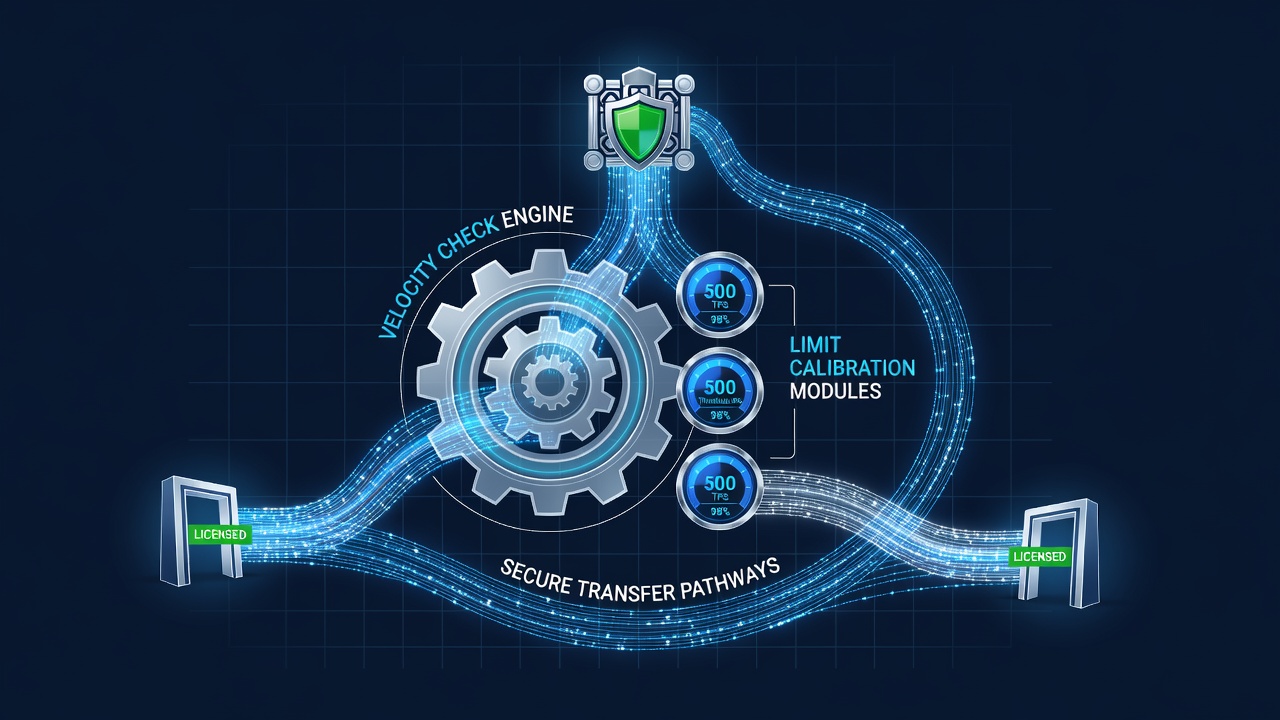
Unraveling the dynamics of velocity checks and limit calibrations that safeguard high-volume electronic transfers within licensed gaming portals
Velocity checks track the frequency and volume of electronic transfers moving through licensed gaming portals, while limit calibrations adjust spending thresholds in real time to match regulatory and operational requirements. These mechanisms operate together within high-volume environments where thousands of transactions occur each minute across multiple jurisdictions. Data from payment processors shows that systems applying both velocity monitoring and calibrated limits reduce unauthorized transfer attempts by measurable margins compared to single-layer approaches.
Core Mechanics of Velocity Monitoring
Velocity checks evaluate patterns such as the number of deposits or withdrawals initiated from a single account within defined time windows, and operators configure these windows at intervals ranging from minutes to hours based on historical traffic data. When a pattern exceeds established parameters, the system flags the activity for additional review or temporary hold. Research conducted by payment security firms indicates that velocity thresholds calibrated to peak hours prevent clustering of rapid transfers that often signal automated scripts or compromised credentials.
Systems integrate these checks with account-level data including device fingerprints, IP addresses, and prior transaction history. A single rapid sequence of small transfers might trigger one alert, whereas the same volume spread across longer periods passes without intervention. Observers note that this differentiation allows legitimate high-frequency players to continue activity while isolating anomalous behavior.
Calibration of Transaction Limits
Limit calibrations set maximum values for individual transfers and cumulative amounts over daily or weekly periods, and these values adjust dynamically according to factors such as player verification status, jurisdiction-specific rules, and current platform load. In licensed environments, operators reference guidelines from bodies including the Nevada Gaming Control Board and the European Gaming and Betting Association when establishing baseline limits. Adjustments occur through automated rules engines that incorporate live data feeds on regulatory updates and risk scores.
Calibration processes account for seasonal variations in player activity, and during periods of elevated traffic such as major sporting events, systems raise certain thresholds while tightening velocity parameters to maintain overall security posture. Figures released by industry analytics groups in June 2026 revealed that platforms employing adaptive limit models processed 18 percent more verified transfers without corresponding increases in disputed transactions.

Integration Within High-Volume Environments
High-volume gaming portals combine velocity checks and limit calibrations into unified decision engines that evaluate each transfer request against dozens of variables simultaneously. The engine first applies velocity scoring, then cross-references the proposed amount against calibrated limits before authorizing or routing the transaction for manual review. This sequential yet rapid evaluation keeps average processing times under three seconds even during peak loads exceeding ten thousand transactions per hour.
Operators maintain audit trails that log every velocity flag and limit adjustment, and these records support compliance reporting required by licensing authorities. One documented case involved a North American platform that recalibrated daily withdrawal limits for verified accounts after observing consistent patterns during evening hours, resulting in fewer declined legitimate requests while maintaining protection against rapid successive withdrawals.
Real-Time Adjustments and Data Inputs
Real-time data streams feed both velocity and limit systems, including payment processor alerts, chargeback ratios, and account age metrics. When external indicators such as increased fraud reports from a specific region arrive, automated routines tighten velocity windows and lower per-transaction caps for accounts matching that geographic profile. Studies published by academic research centers on financial technology demonstrate that multi-source data integration improves detection accuracy over static rule sets.
Platforms also apply machine learning models trained on historical transfer data to predict optimal calibration points, and these models update weekly using aggregated anonymized datasets from participating operators. The result is a feedback loop where past velocity events inform future limit settings, and vice versa, creating continuously refined safeguards.
Regulatory Alignment and Reporting
Licensed gaming portals must demonstrate that velocity checks and limit calibrations align with local statutes governing electronic fund movement. Regulators in multiple regions require periodic submission of threshold documentation and incident logs, and operators use standardized templates to present velocity parameters alongside corresponding limit structures. This documentation enables authorities to verify that protective measures scale appropriately with transaction volume.
June 2026 data compilations from several gaming associations highlighted that portals submitting detailed calibration reports experienced faster renewal processes compared to those providing only summary statistics. The emphasis remains on transparency rather than any particular configuration method.
Conclusion
Velocity checks combined with calibrated transaction limits form layered defenses that address both speed-based anomalies and amount-based risks in high-volume electronic transfers. Licensed gaming portals deploy these tools through interconnected systems that respond to live data while satisfying regulatory obligations across jurisdictions. Ongoing refinements driven by operational records and external inputs ensure the mechanisms continue to match evolving transfer patterns without disrupting verified activity.